
Yerba mate is moving from a traditional South American ritual into the global beverage market. Long associated only with Argentina, Uruguay, Paraguay and Brazil, yerba mate is increasingly being sold in ready-to-drink beverages, tea bags and extracts. At the same time, its traditional preparation remains deeply embedded.
The category is benefiting from several broader consumer trends: interest in natural sources of caffeine, functional beverages, convenient formats, botanical ingredients and distinctive cultural products. At the same time, consumers are becoming interested in mate because it contains caffeine and fits the growing trend toward natural and functional drinks.
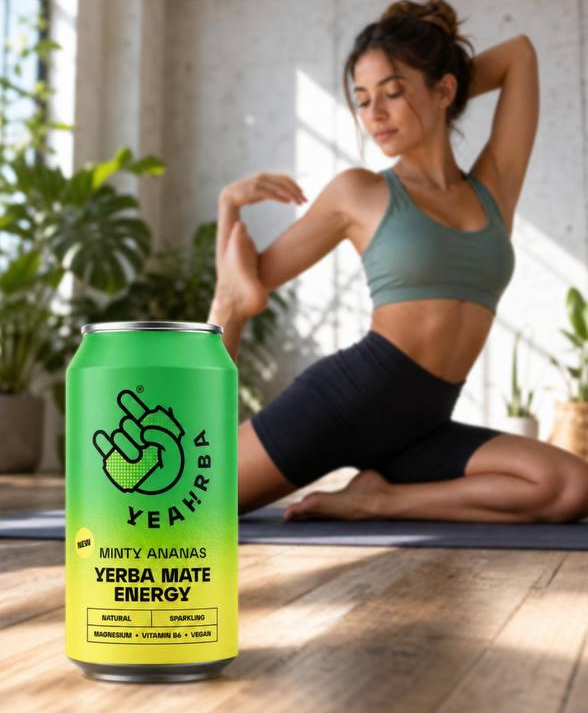 |
One of the most important trends is the move from traditional preparation toward ready-to-drink (RTD) formats. Around the world, hundreds of brands are already developing RTD yerba mate products, while producers and innovators are finding new ways to use mate in everything from instant powders and pouches to supplements, cocktails and food. Traditional mate requires a gourd, bombilla and loose yerba mate, while RTD products can be consumed immediately. This makes the ingredient much more accessible to consumers who are unfamiliar with South American mate culture. The development of bottled and canned products also allows yerba mate to compete with established categories such as iced tea, coffee and soft and energy drinks. This trend does not mean that traditional mate is disappearing. Instead, the market is developing two parallel identities: mate as a cultural ritual and mate as a convenient modern beverage ingredient. |
The next stage of growth is likely to involve more differentiation within RTD rather than simply more products. Consumers will increasingly choose between traditional-tasting mate, fruit-flavoured mate, sparkling mate, low-sugar mate, organic mate and products designed for specific occasions.
Yerba mate is becoming a platform, not just a beverage
|
The most interesting trend may be that producers are no longer treating yerba mate simply as a tea. Mate is increasingly being developed into different formats and ingredients. Around the world, producers and innovators are experimenting with:
|
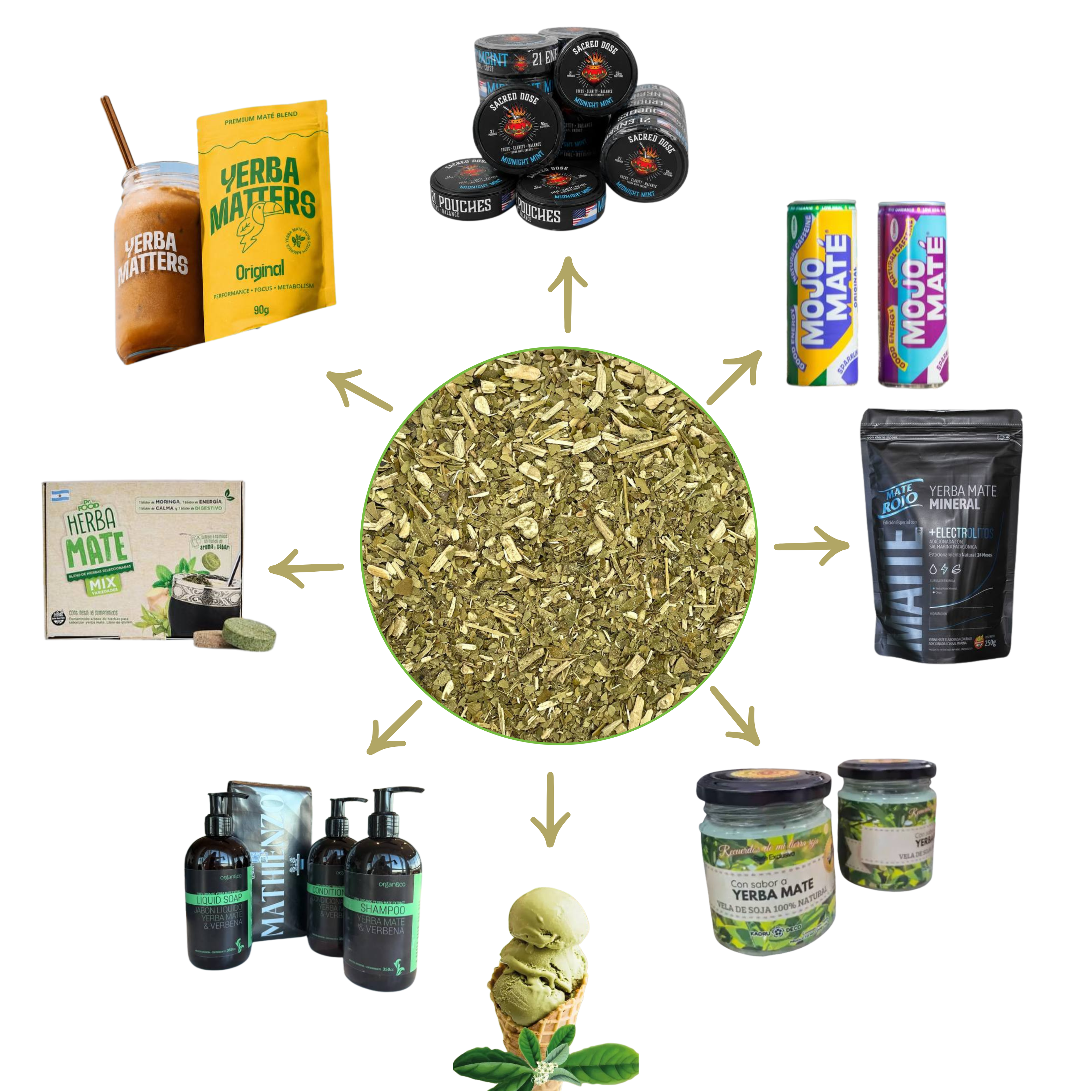 |
This opens the door to consumers who may never become traditional mate drinkers. Someone who does not want to prepare a gourd might prefer an instant powder. Another consumer might choose a convenient pouch. An athlete might be interested in a mate drink combined with electrolytes. A bartender might use mate as an ingredient in a cocktail. The category is therefore expanding from "how do you drink mate?" to "what can you make with mate?"
Mate is entering food
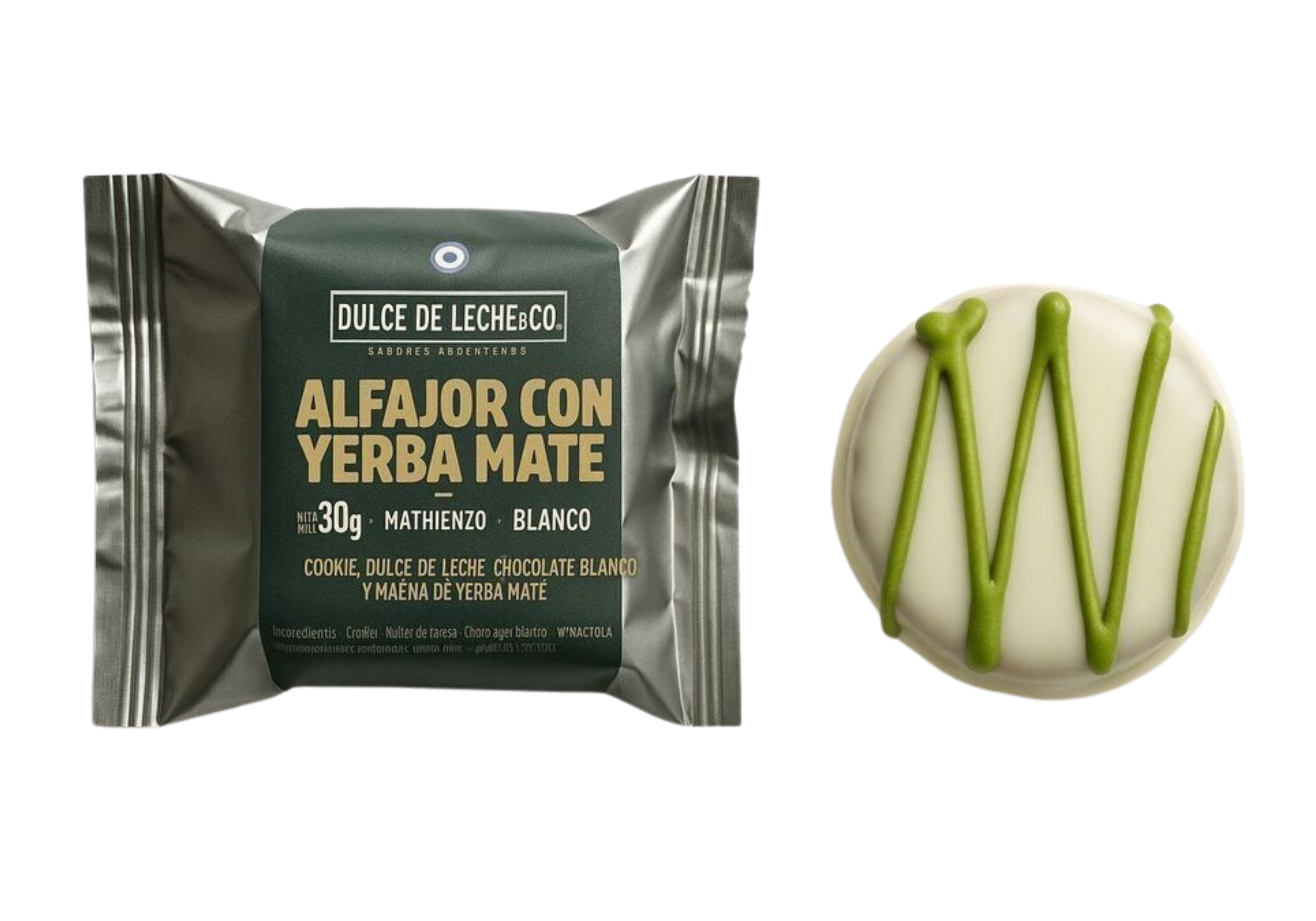
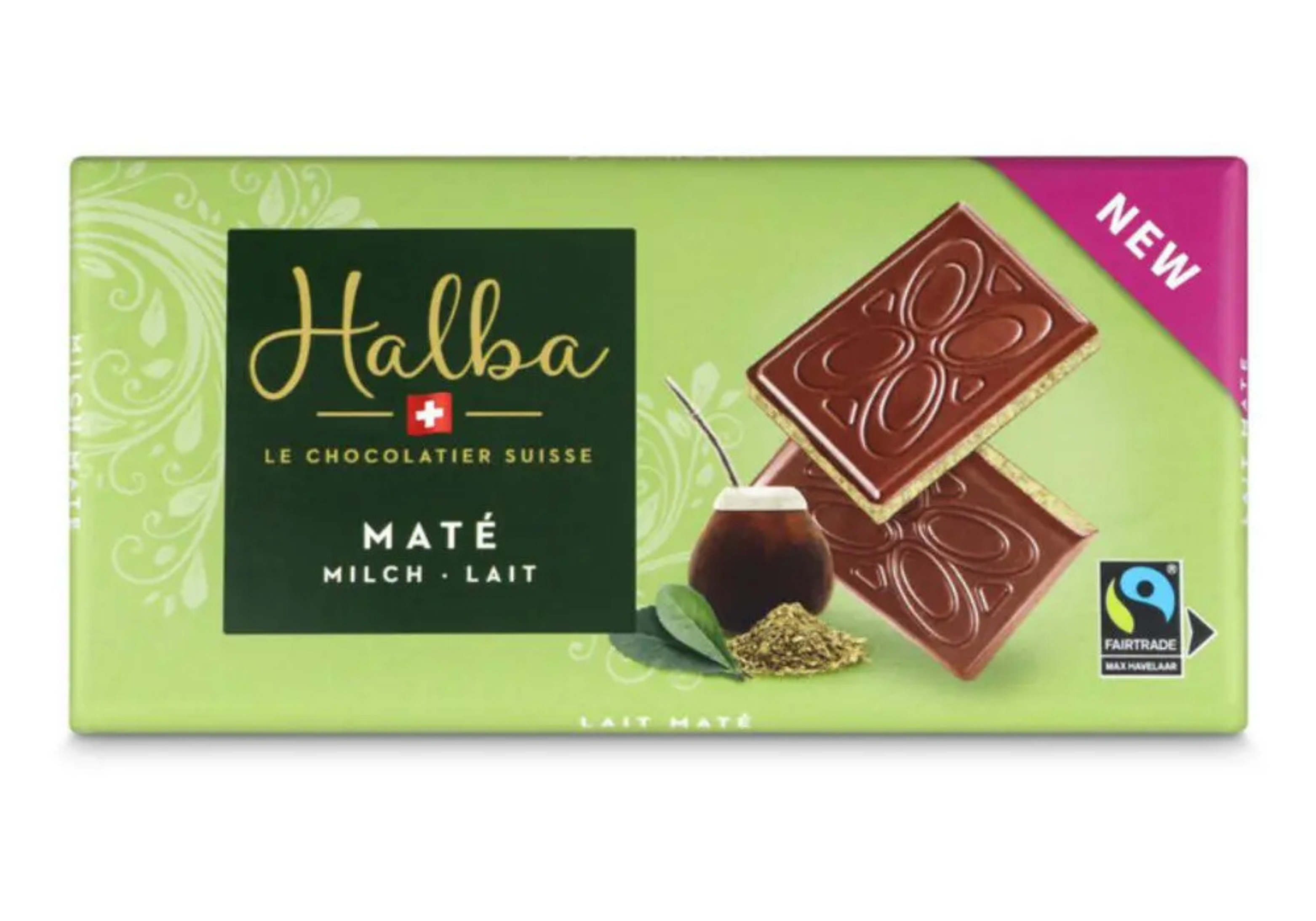
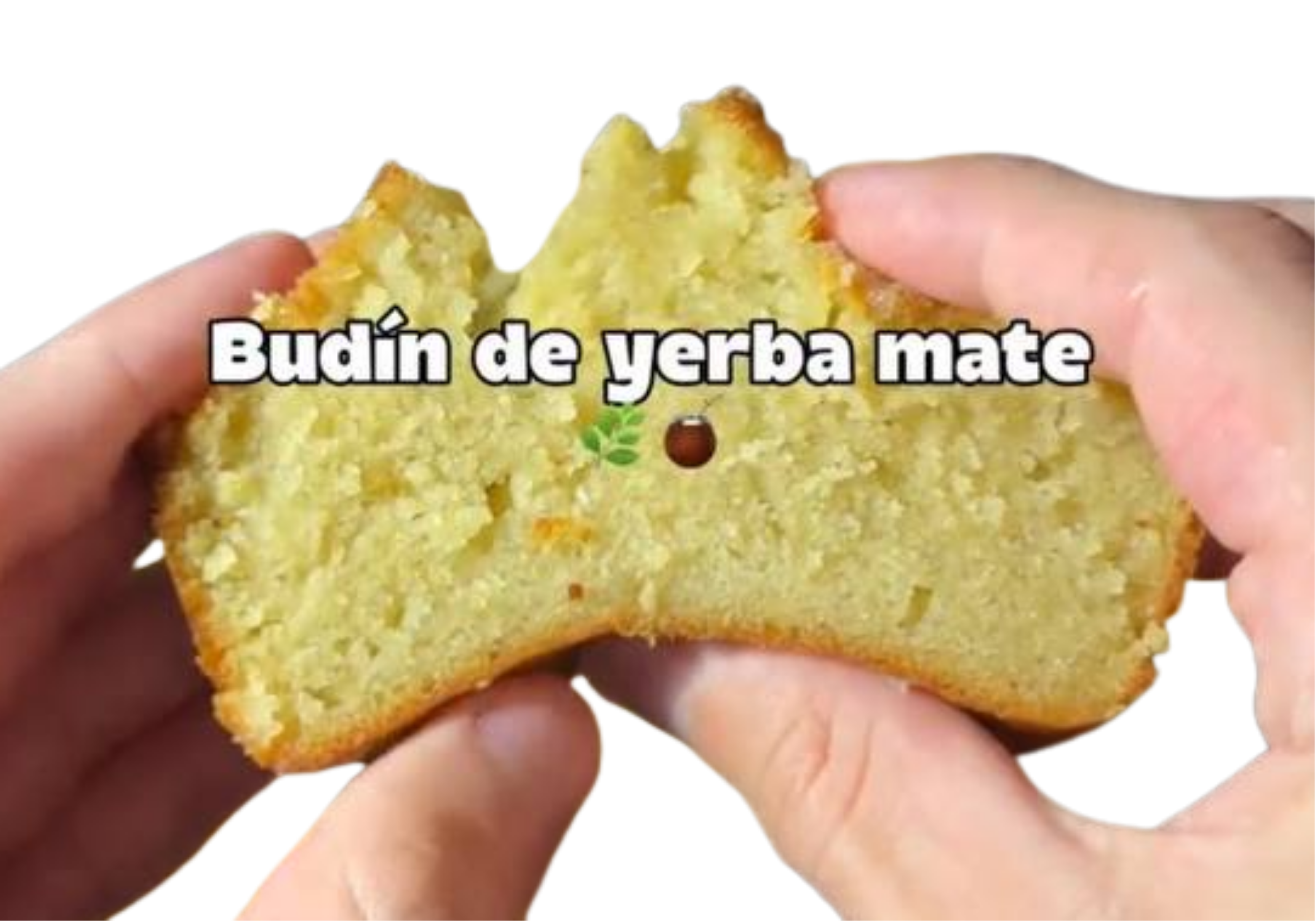
One of the most exciting developments is the use of yerba mate beyond beverages. Mate's distinctive flavour and caffeine content make it an interesting ingredient for food innovation. Products can include yerba mate ice cream, cakes and pies, desserts, chocolate, confectionery and other functional or speciality foods.
 |
 |
 |
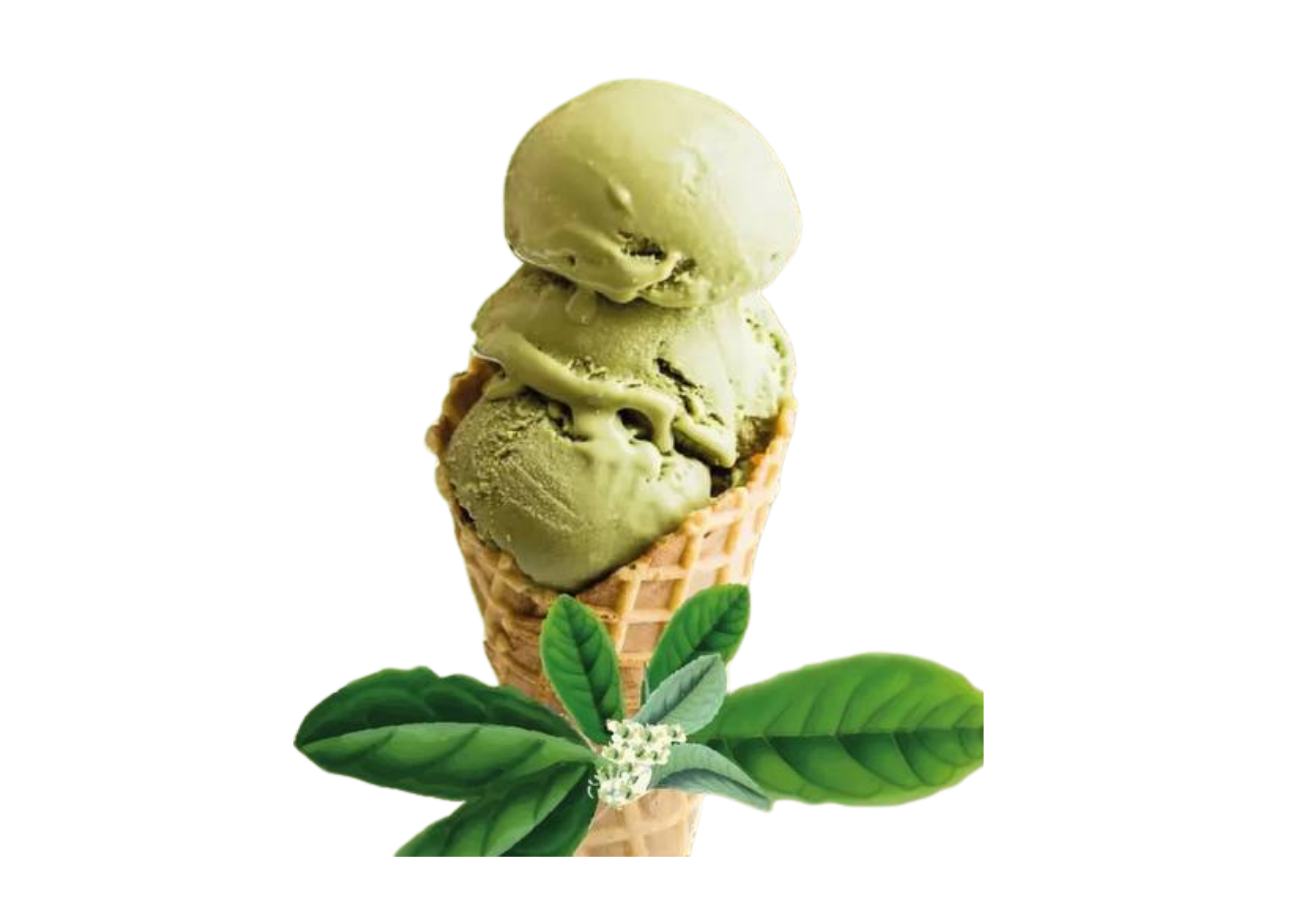 |
This creates an entirely new way for consumers to discover the ingredient. A consumer may encounter yerba mate for the first time not in a gourd or a can, but as a flavour in an ice cream shop, bakery or restaurant. Food applications can also help move yerba mate into premium culinary culture, where unusual botanical ingredients and distinctive flavours are increasingly valued.
Natural caffeine is becoming a major selling point
Yerba mate naturally contains caffeine, as well as compounds including polyphenols, flavonoids and saponins. This composition has helped position mate as an alternative source of stimulation for consumers looking beyond conventional coffee and energy drinks.
The trend fits into the growth of functional beverages, where consumers increasingly look for products associated with energy, focus and everyday performance.
Flavored mate is making the category more approachable
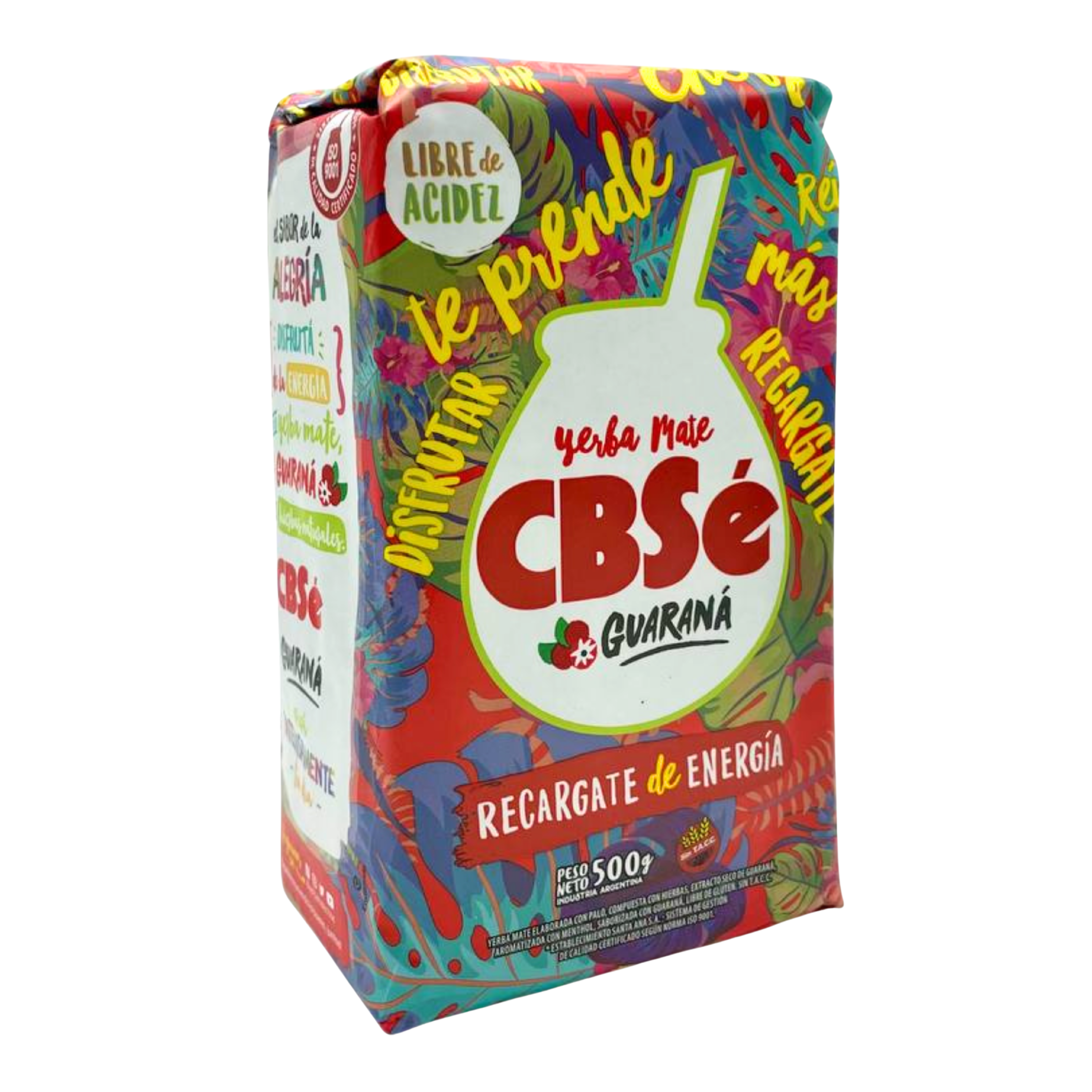
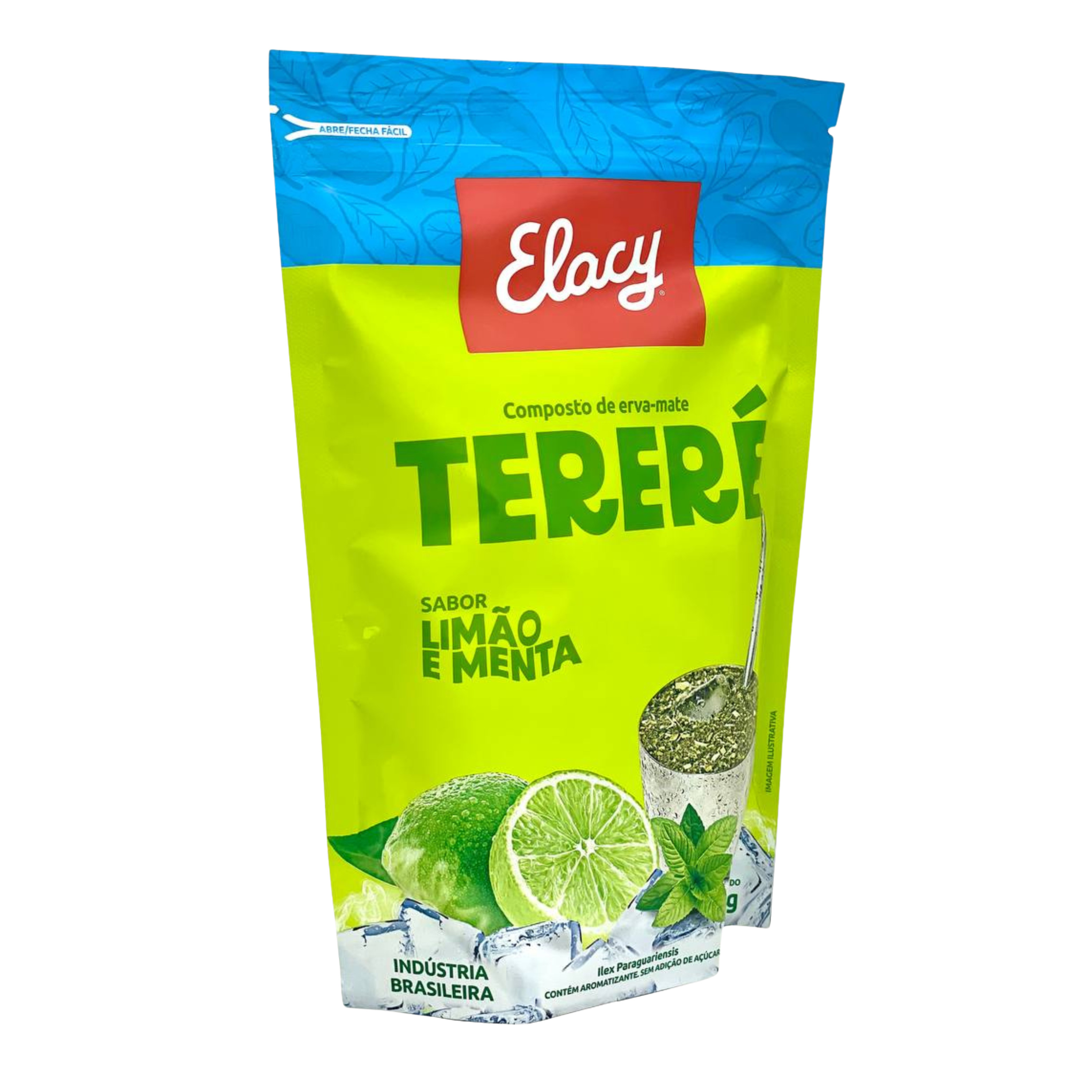
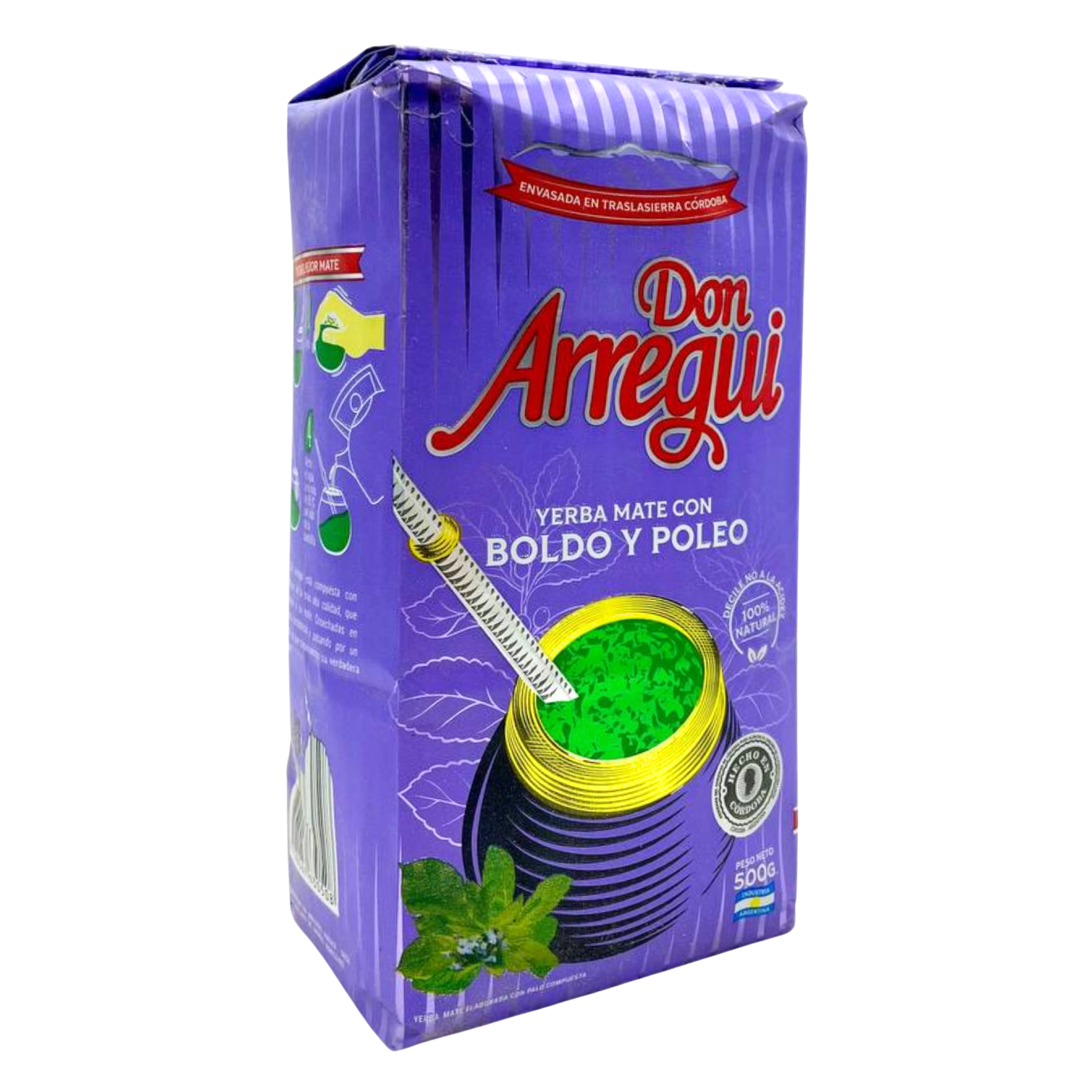
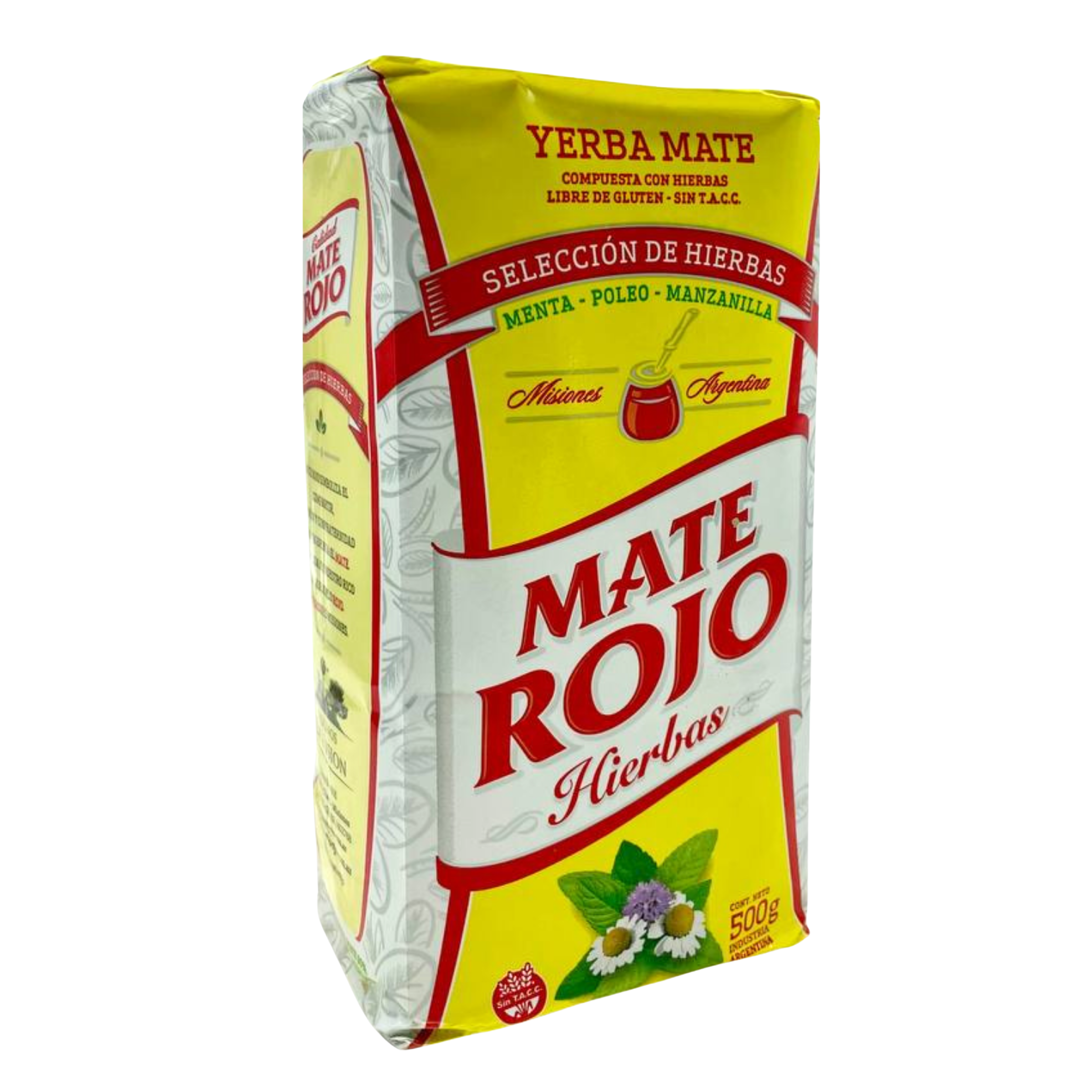
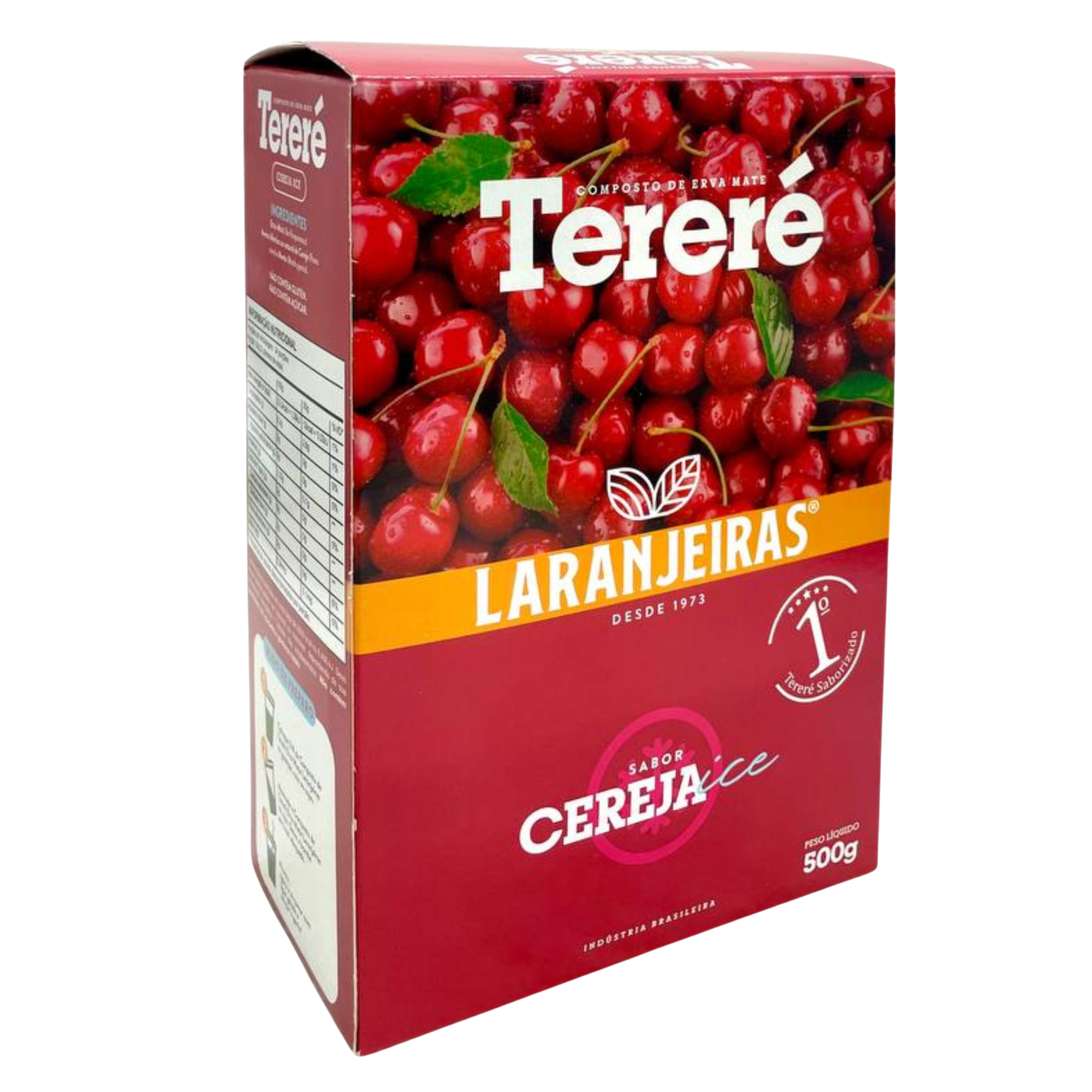
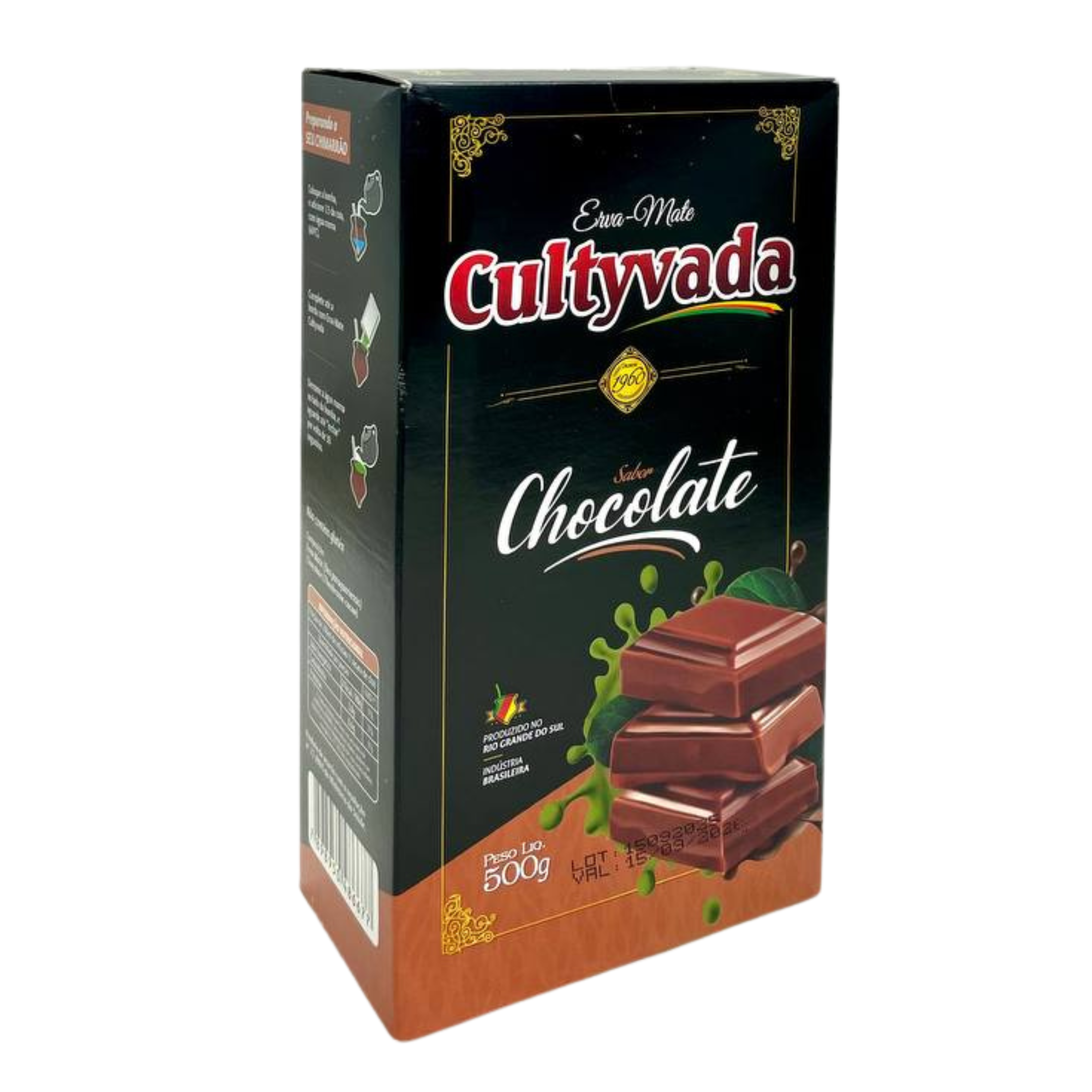
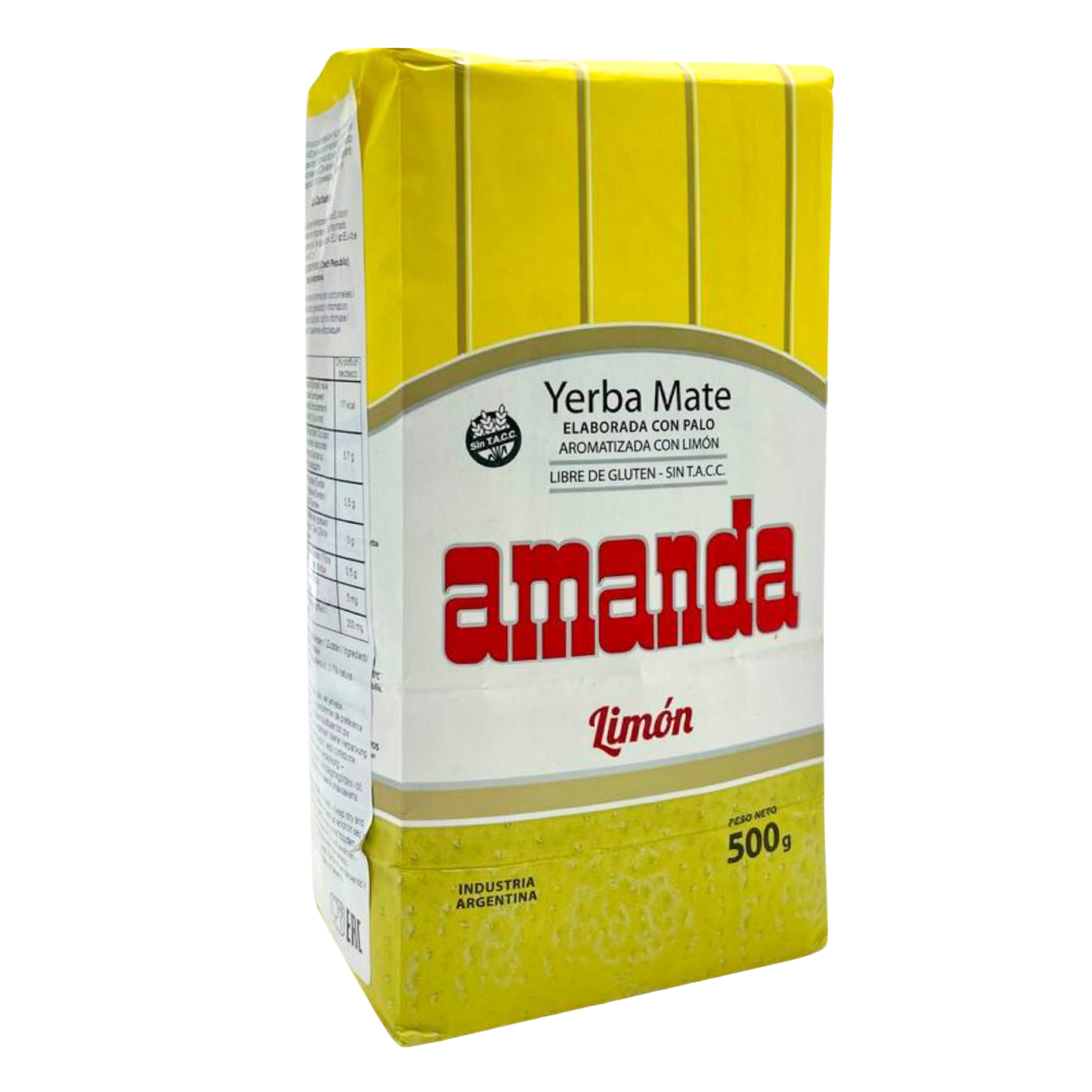
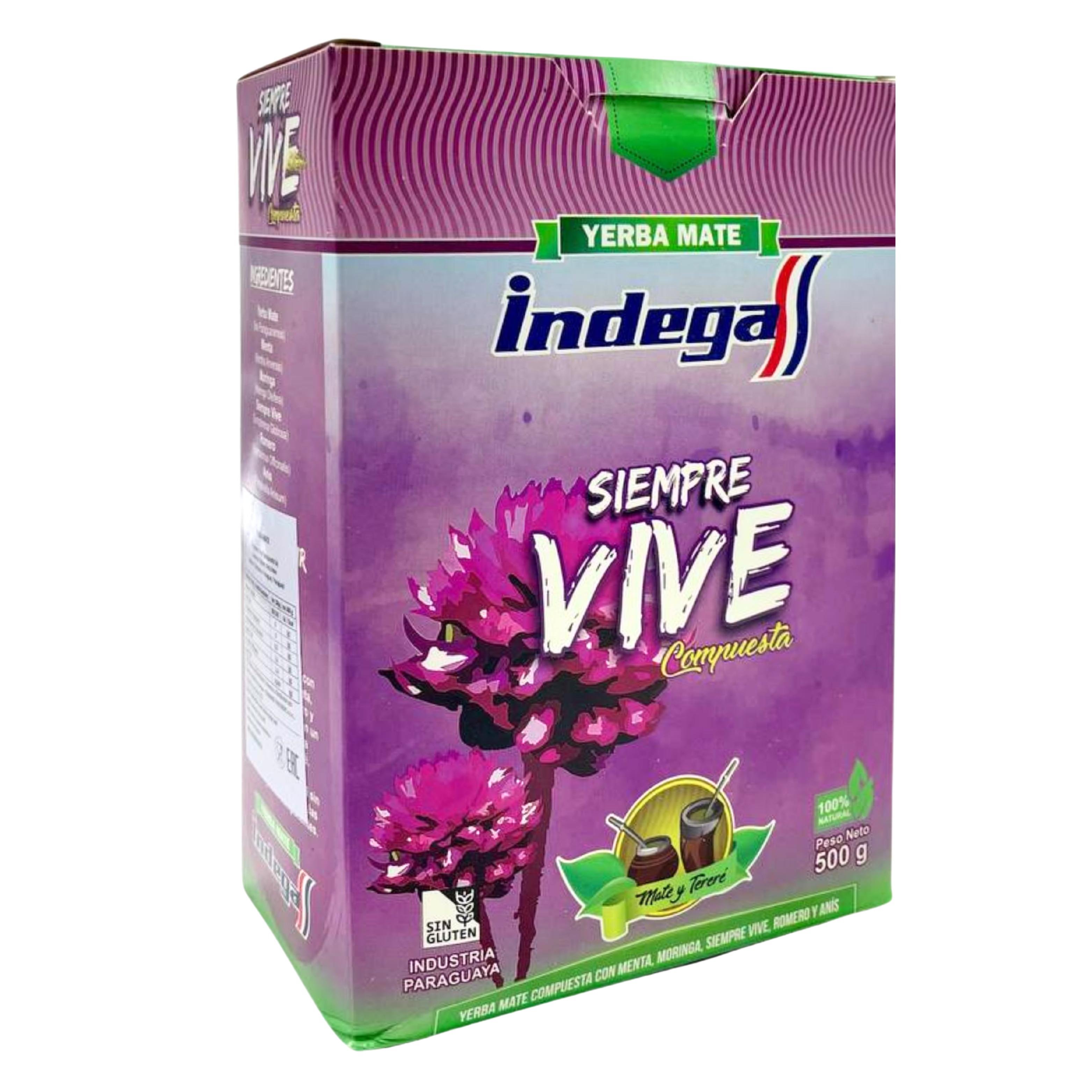
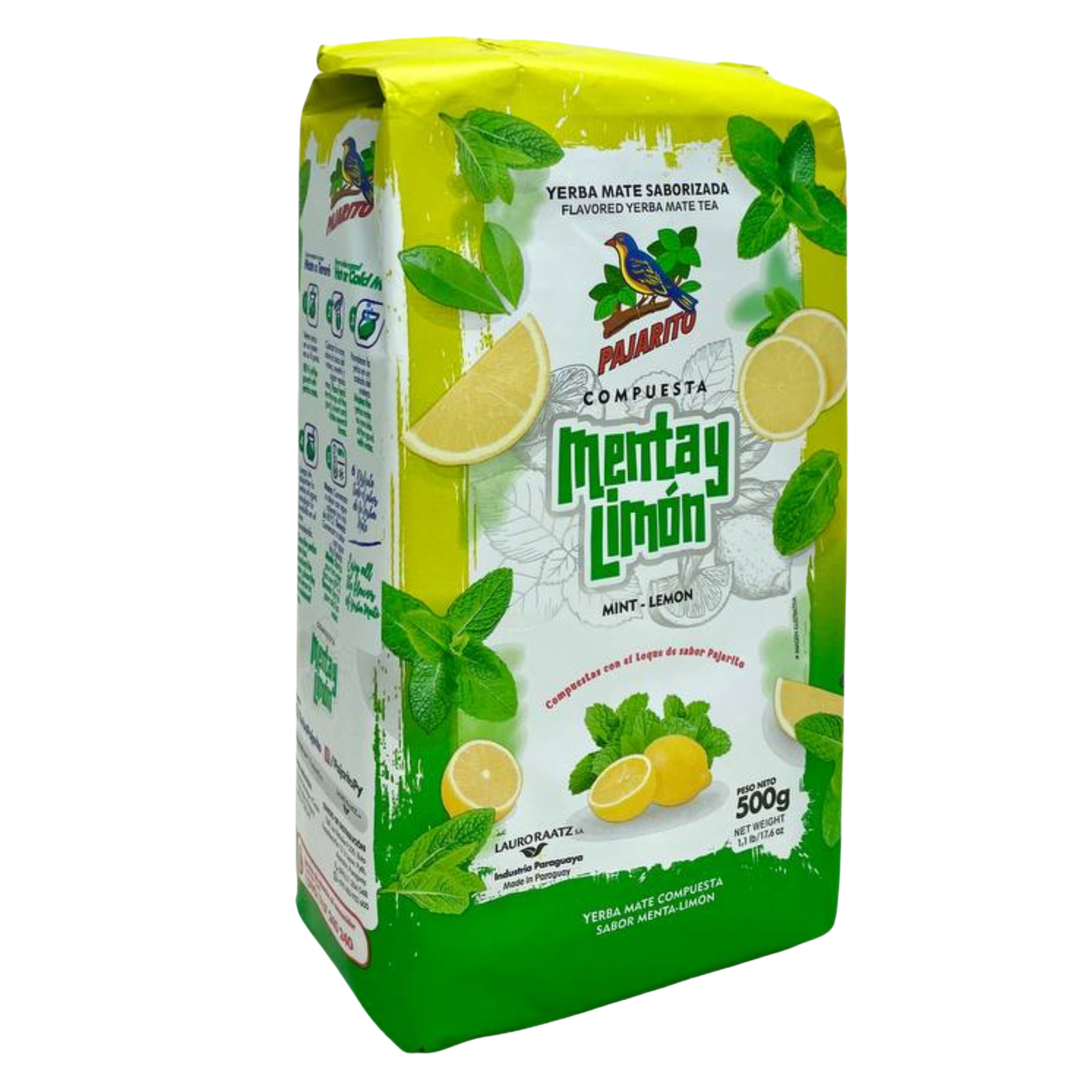
Traditional yerba mate has a distinctive herbal and sometimes bitter flavor. That character is central to the traditional experience, but it can be unfamiliar to new consumers. Flavor innovation offers a way to make mate more accessible. Commercial products increasingly experiment with combinations such as citrus, berries, mint, tropical fruit, herbs and even chocolate.
 |
 |
 |
 |
 |
 |
 |
 |
 |
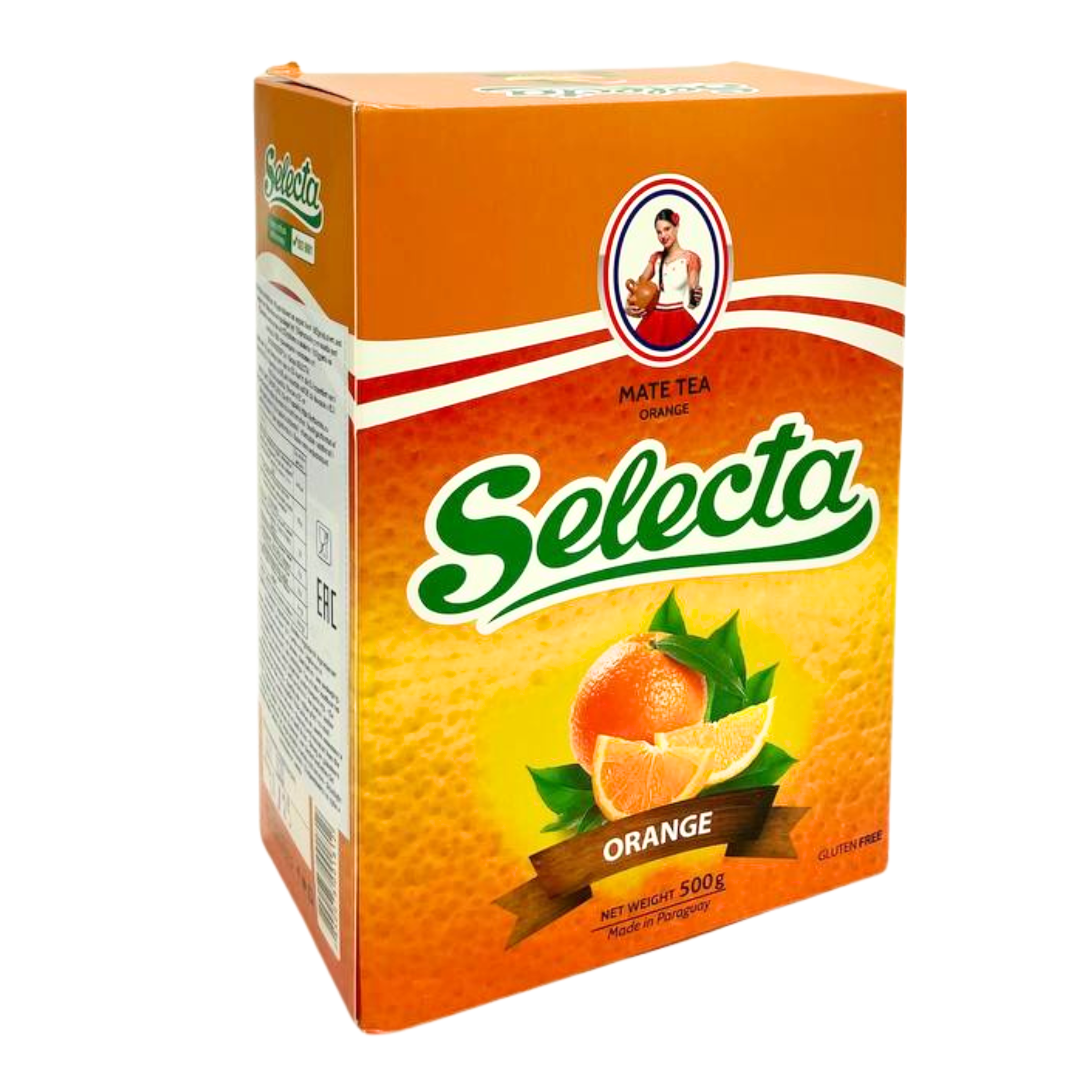 |
Those combinations can make yerba mate easier to approach for consumers discovering it for the first time. This reflects a broader pattern in the beverage industry: traditional ingredients are being reformulated into familiar flavor profiles while retaining their original identity.
Mate is becoming a functional drink
The functional beverage market is creating another major opportunity: yerba mate combined with electrolytes and other functional ingredients. Yerba mate is also becoming an ingredient in products positioned around functionality rather than simply refreshment.
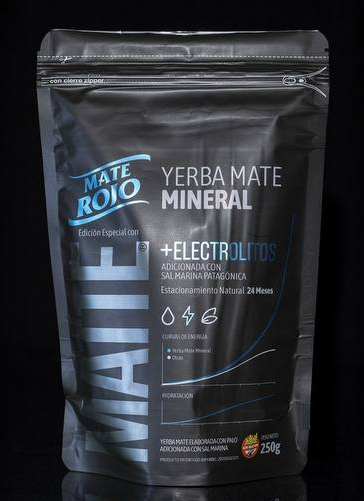 |
Mate already has a strong association with energy and natural caffeine. Adding electrolytes can position it for hydration, sport and active lifestyles, creating products that sit somewhere between energy drinks and sports drinks. Other formulations may combine mate with vitamins, minerals, botanicals, fruit extracts or other functional ingredients. This allows brands to create products for specific occasions: Focus: mate for work and study. Energy: mate as an alternative to conventional energy drinks. Sport: mate combined with electrolytes. Refreshment: cold, flavoured and sparkling mate. Wellness: organic, low-sugar and clean-label formulations. |
However, European brands need to be careful with health communication. Functional positioning needs to be supported by appropriate evidence and comply with applicable European rules on nutrition and health claims. Its caffeine and polyphenol content make it attractive for formulations targeting energy and wellness consumers. Research has documented numerous bioactive compounds in yerba mate, including caffeoylquinic acids, methylxanthines and flavonoids. However, the distinction between functional potential and proven health benefits is important.
Brewing and preparation are becoming part of product innovation
Innovation is also changing how yerba mate is prepared. Beyond the traditional gourd and bombilla, mate can now be enjoyed through tea bags, instant powder, capsules, roasted mate for cold brew, french presses, drip coffee makers and other methods. Different preparation techniques - such as water temperature, brewing time and the number of infusions - can influence the drink’s flavour, caffeine concentration and other compounds. This variety makes yerba mate more accessible to modern consumers and allows them to choose a preparation method that fits their lifestyle, from traditional hot mate and tereré to cold brew, instant drinks and RTD products.
Sustainability: even the gourd can become part of the story
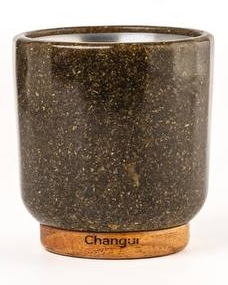
Sustainability is becoming an increasingly important part of beverage market, and yerba mate offers some particularly creative possibilities. One example is the development of mate gourds and other products made using used yerba mate raw materials. Instead of viewing spent mate as waste, innovators can explore ways to turn it into new materials and products. This creates the possibility of a more circular mate economy: yerba mate leaves → beverage → used mate material → new product.
|
For consumers, this kind of circularity can be especially attractive when it is genuine, measurable and clearly explained. The idea also reinforces an important message: sustainability in yerba mate should not stop at organic farming or recyclable packaging. There is potential to rethink what happens to the ingredient after consumption. Consumers are increasingly interested in products that are responsibly produced. This means that companies may need to pay more attention to sustainable farming, responsible sourcing and environmentally friendly packaging. |
Changui Gourd is made from yerba mate powder |
Globalization is creating a new type of mate consumer
Yerba mate has a particularly interesting challenge: it is simultaneously a traditional cultural product and a modern global ingredient.
In Argentina, for example, mate is an everyday household product. Government information citing INYM data reports average consumption of approximately 6.4 kg per person per year and indicates that mate is present in more than 90% of Argentine households. Outside South America, however, consumers often encounter mate through wellness products, specialty beverages or energy drinks. This difference matters for branding. International companies need to introduce the ingredient without reducing a complex cultural tradition to a generic "superfood" story.
The bigger trend: the diversification of yerba mate
The most important development in the global mate industry may not be simply the growth of consumption. It is the diversification of the category. Yerba mate is evolving into: a traditional infusion, a ready-to-drink beverage, an instant powder, a pouch, a supplement, a functional ingredient, a sports drink, a cocktail ingredient, a food ingredient and even a source of materials for new sustainable products. That creates a much bigger market opportunity. A person does not have to become a traditional mate drinker to become a mate consumer. They can discover it through a can, a pouch, an electrolyte drink, an ice cream, a cocktail, a supplement or an innovative sustainable product.
What European consumers will expect next
The European yerba mate market is likely to become more sophisticated as consumers become familiar with the ingredient. They will expect quality, transparency, convenience, sustainability and innovation—but they will also expect authenticity. This creates an interesting challenge for brands.