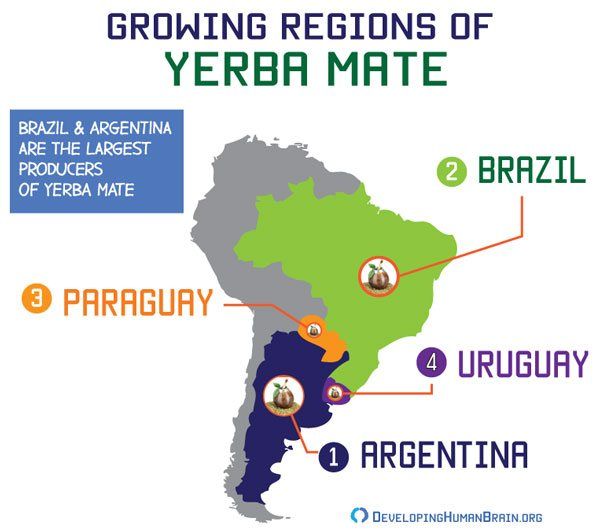
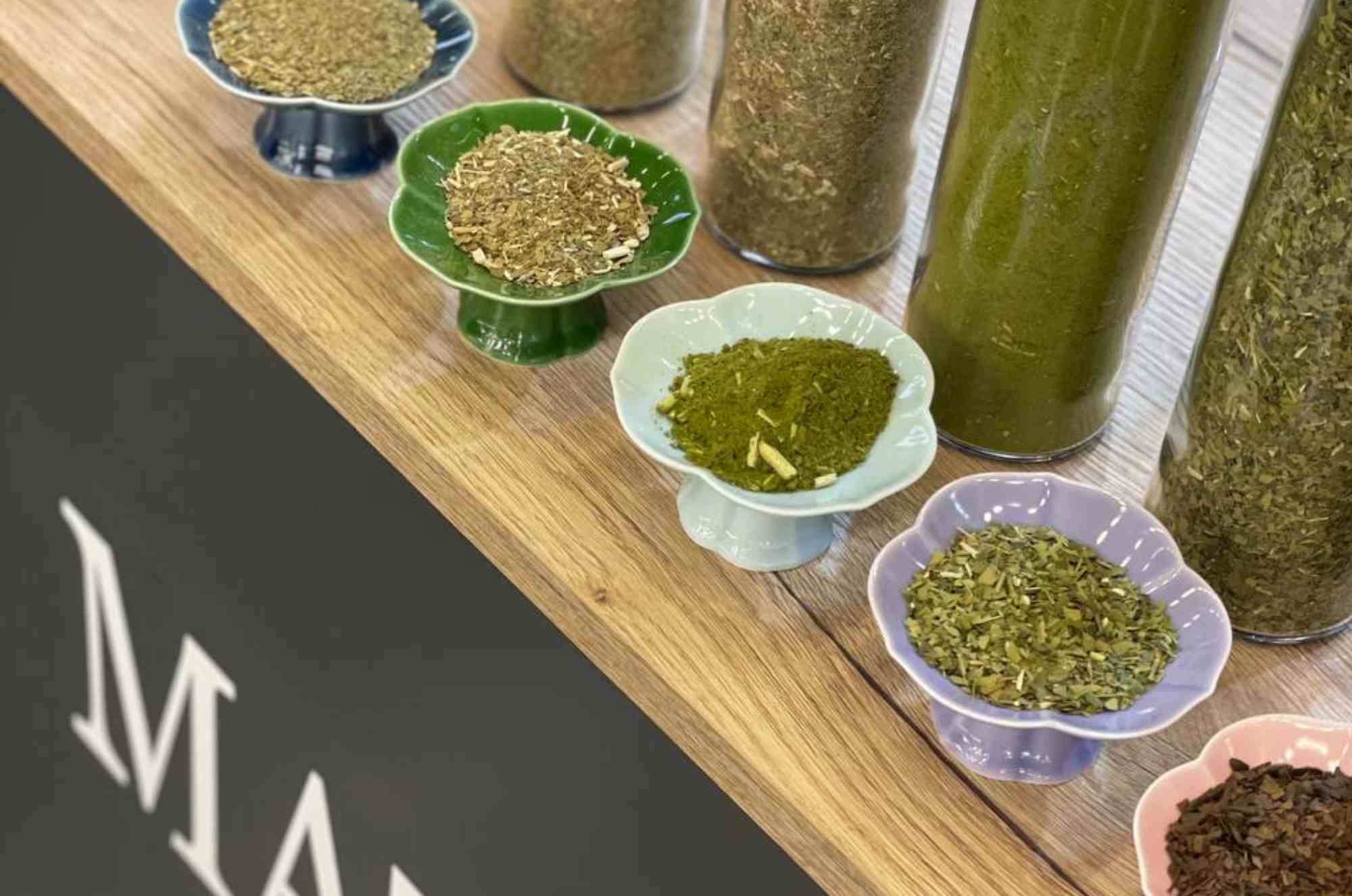
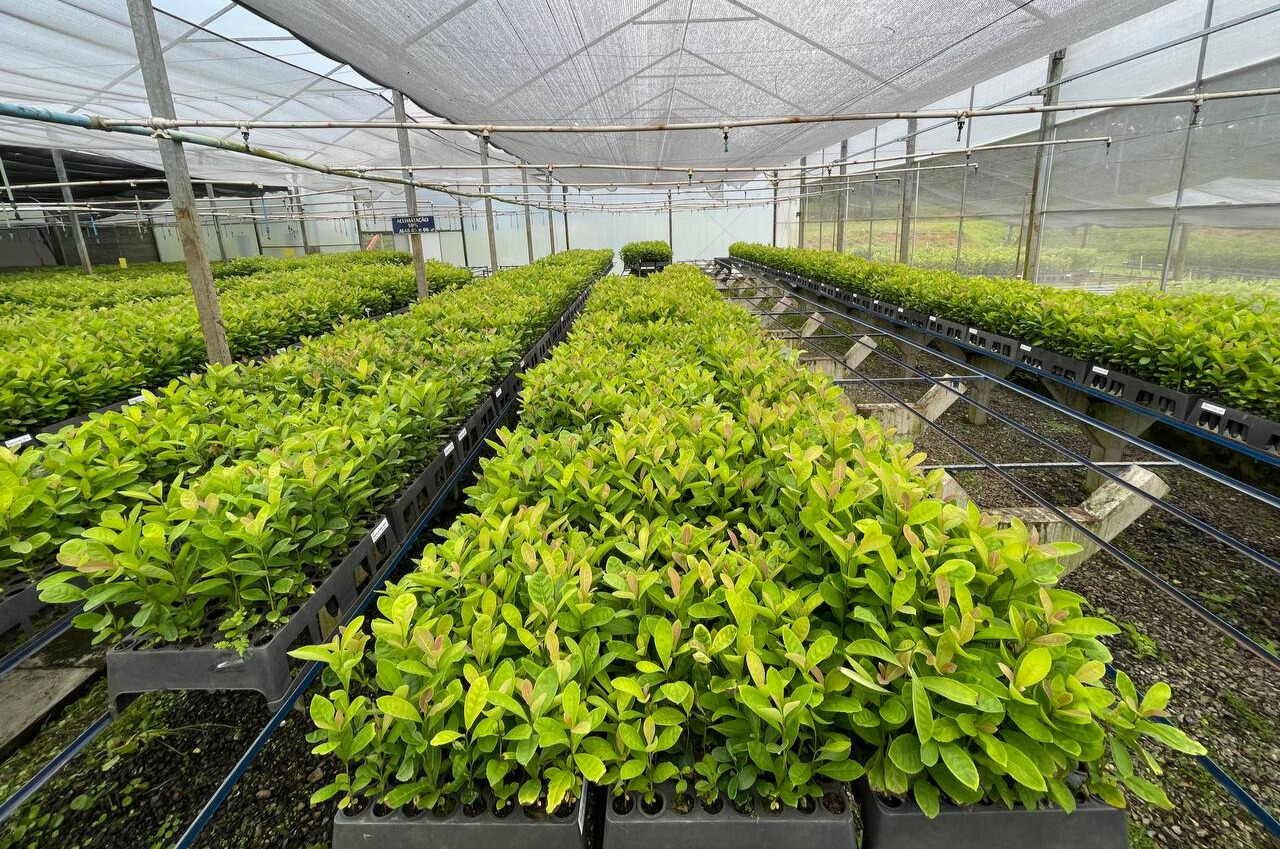
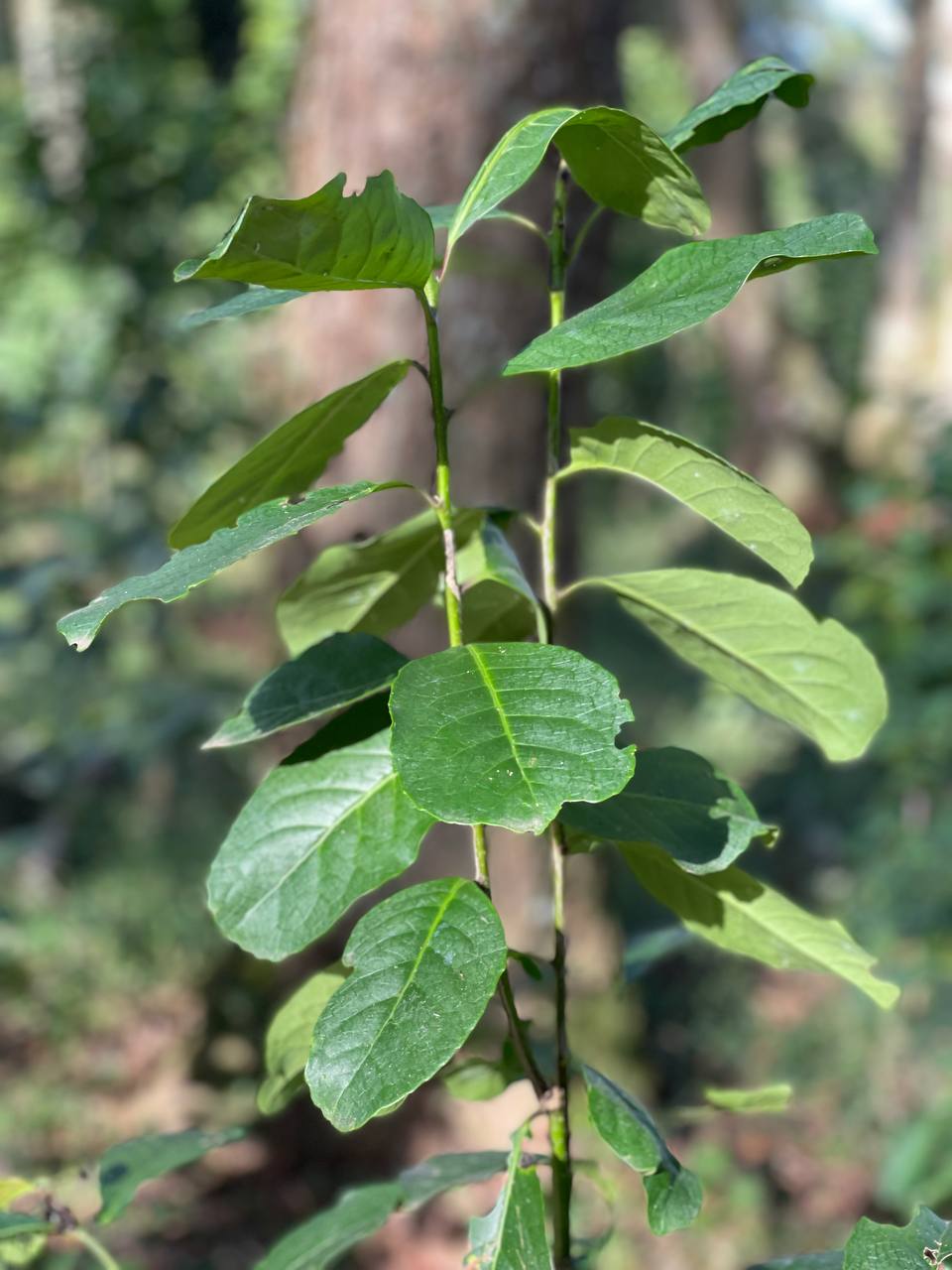
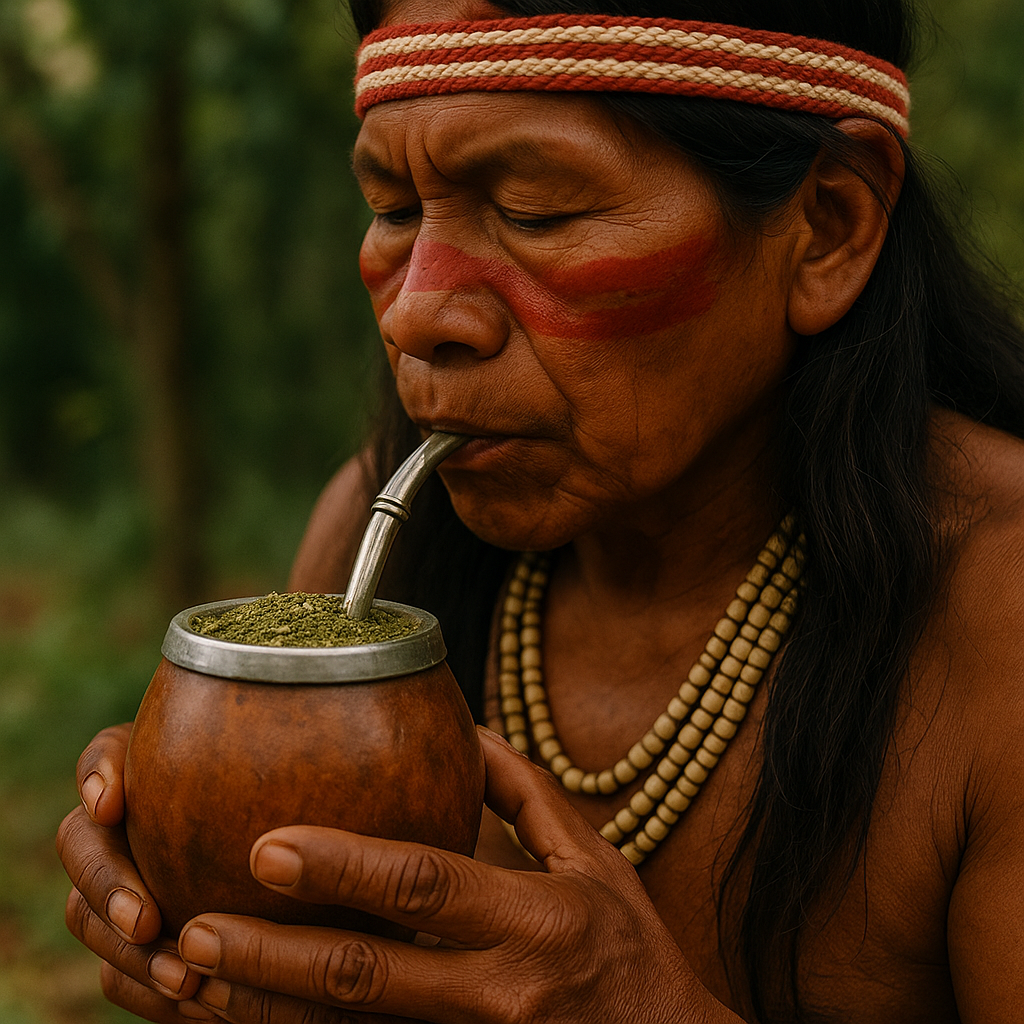
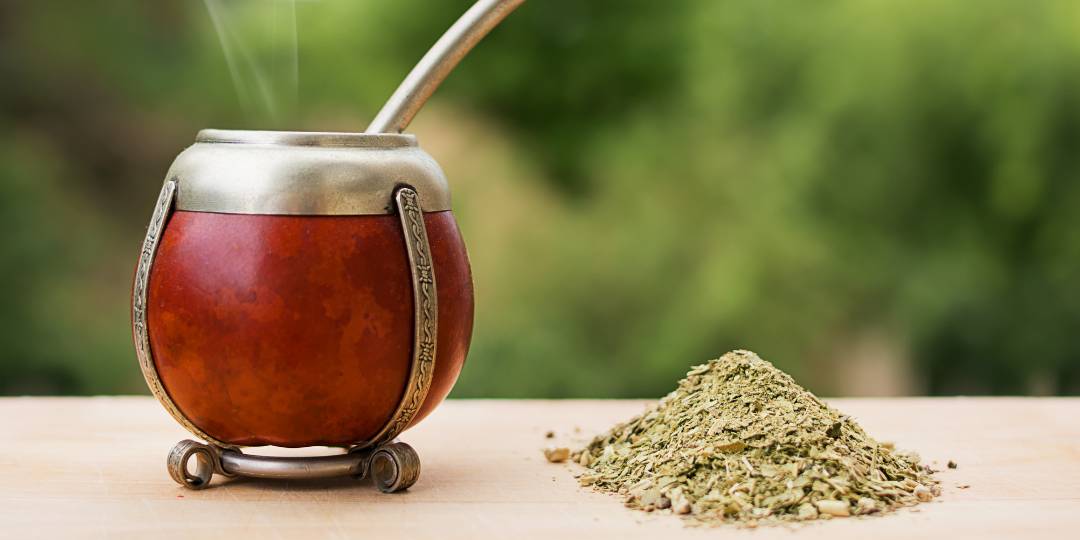
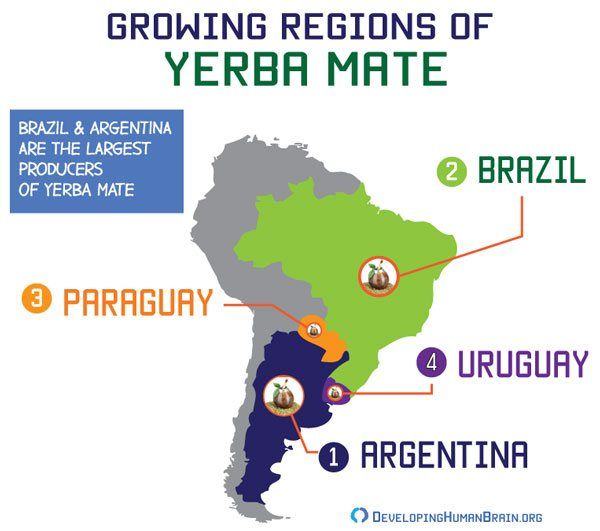
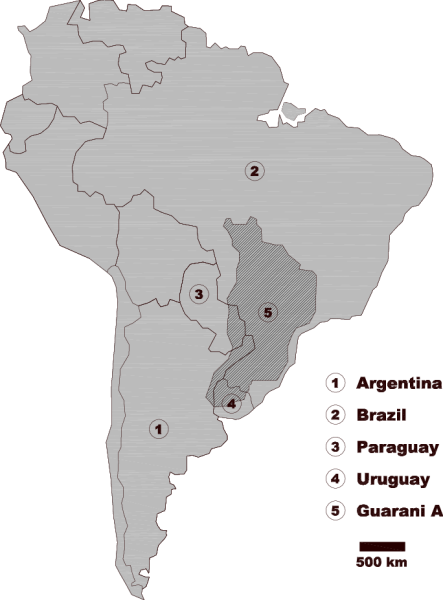
Yerba mate is a South American essential - energizing, social and rich in tradition. Yet, not all mates are the same. Each country gives this iconic drink its own twist: Argentina’s blends are smooth and balanced, Paraguay’s are smoky and bold, Uruguay’s are strong and bitter, and Brazil’s chimarrão is fresh and green.
Modern variations - like roasted, flavored, and instant mate - add even more ways to enjoy it. Whether you prefer classic, intense, or refreshing flavors, there’s a yerba mate style to match every taste and mood.
Argentine Yerba Mate
|
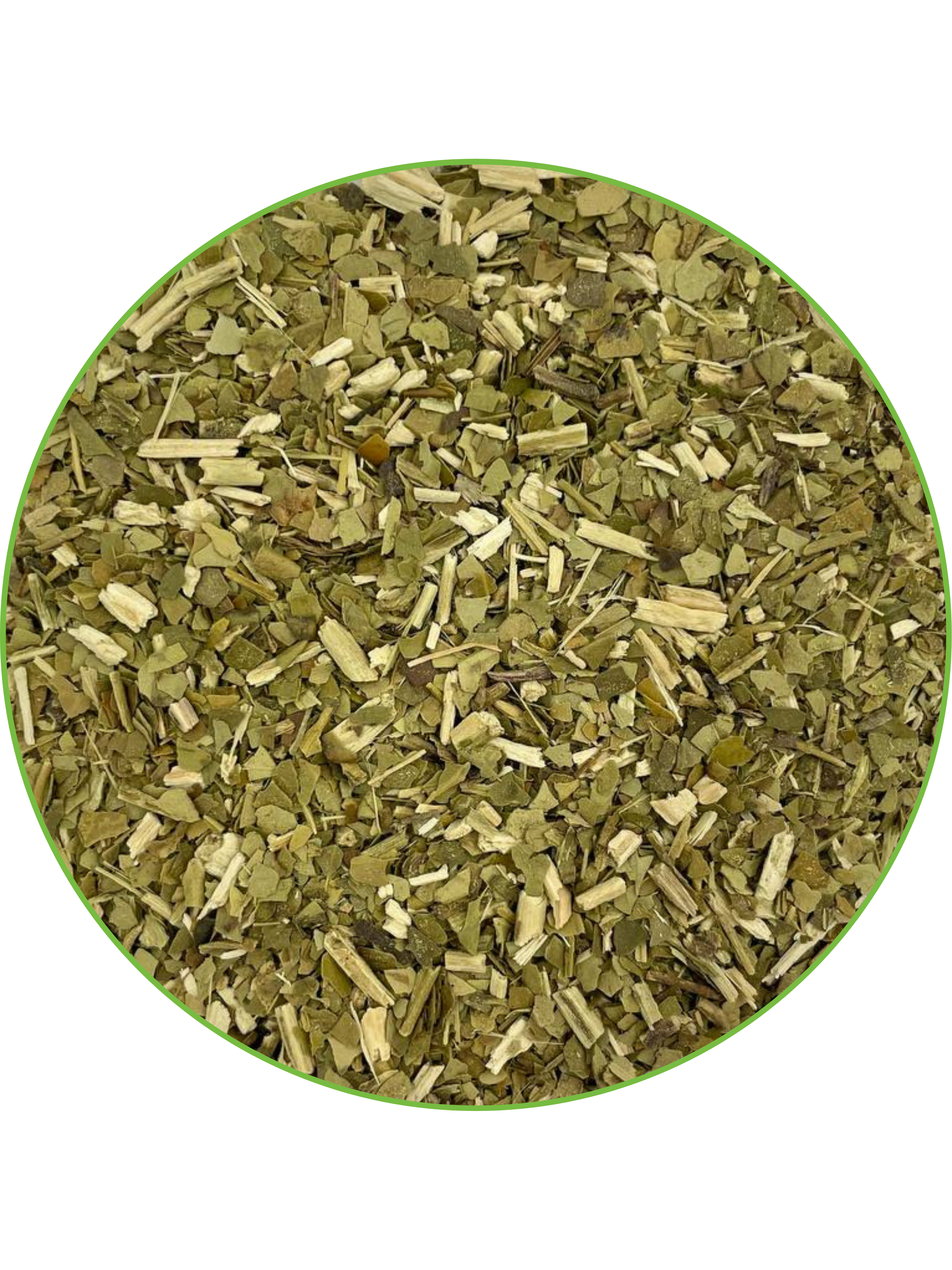
Flavor profile: Smooth, balanced, and grassy
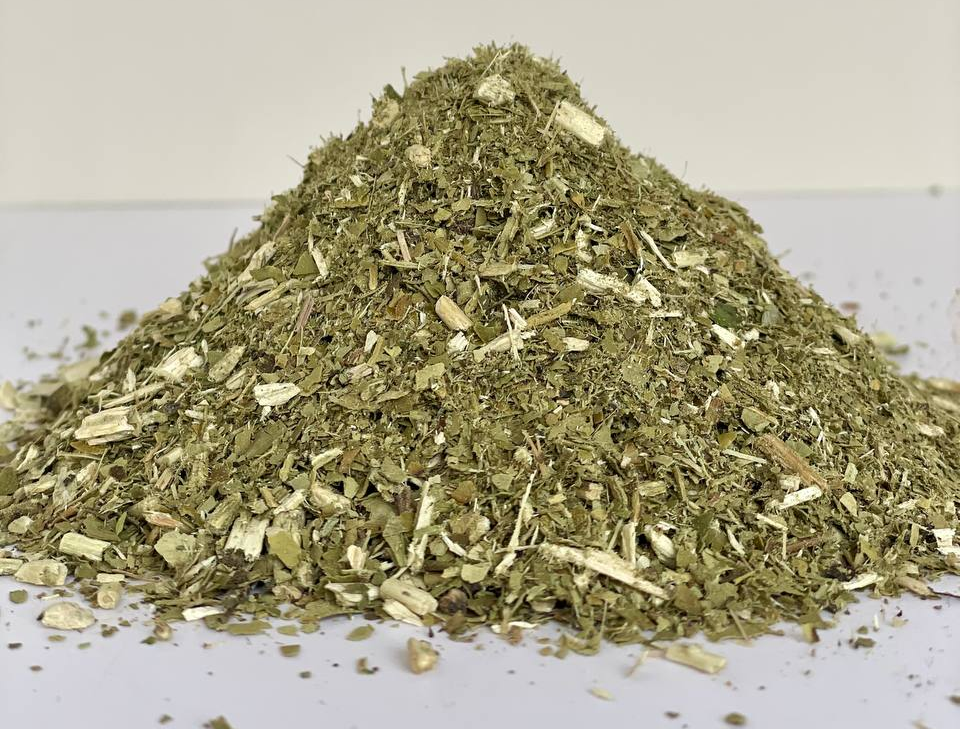
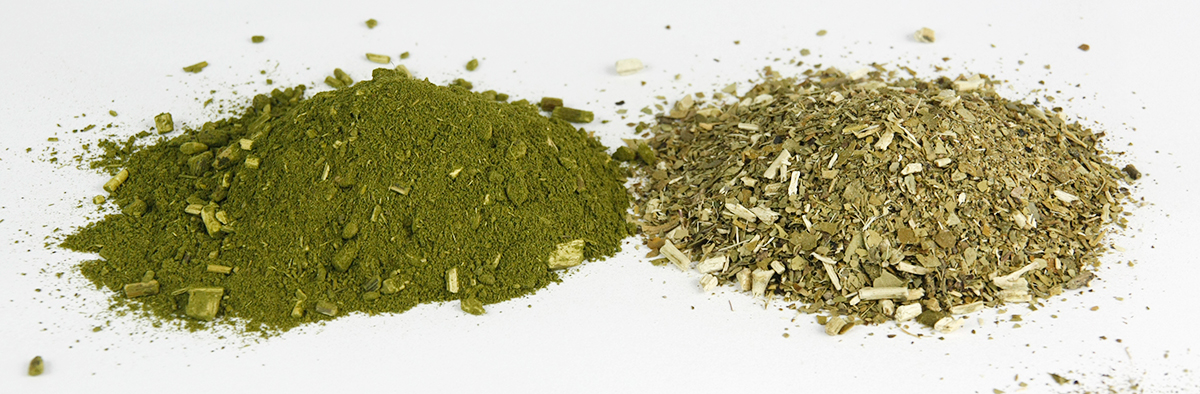
Cut: A mix of leaf, dust (powder), and stem
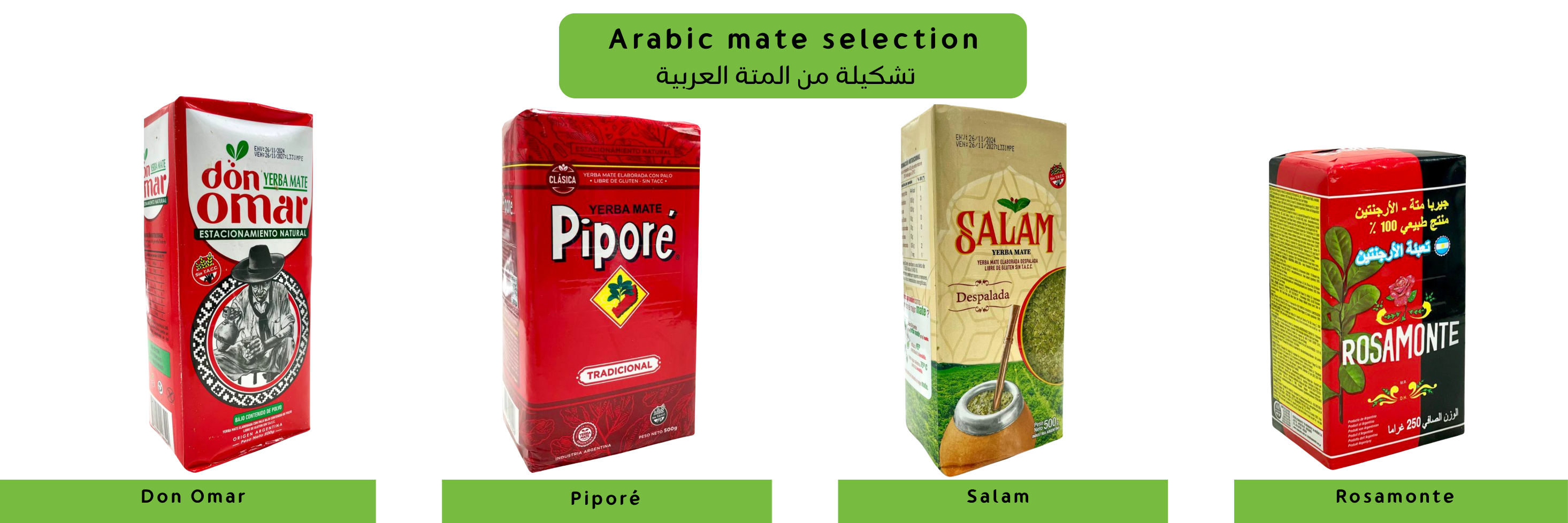
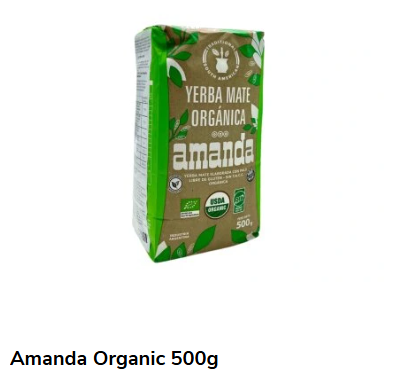
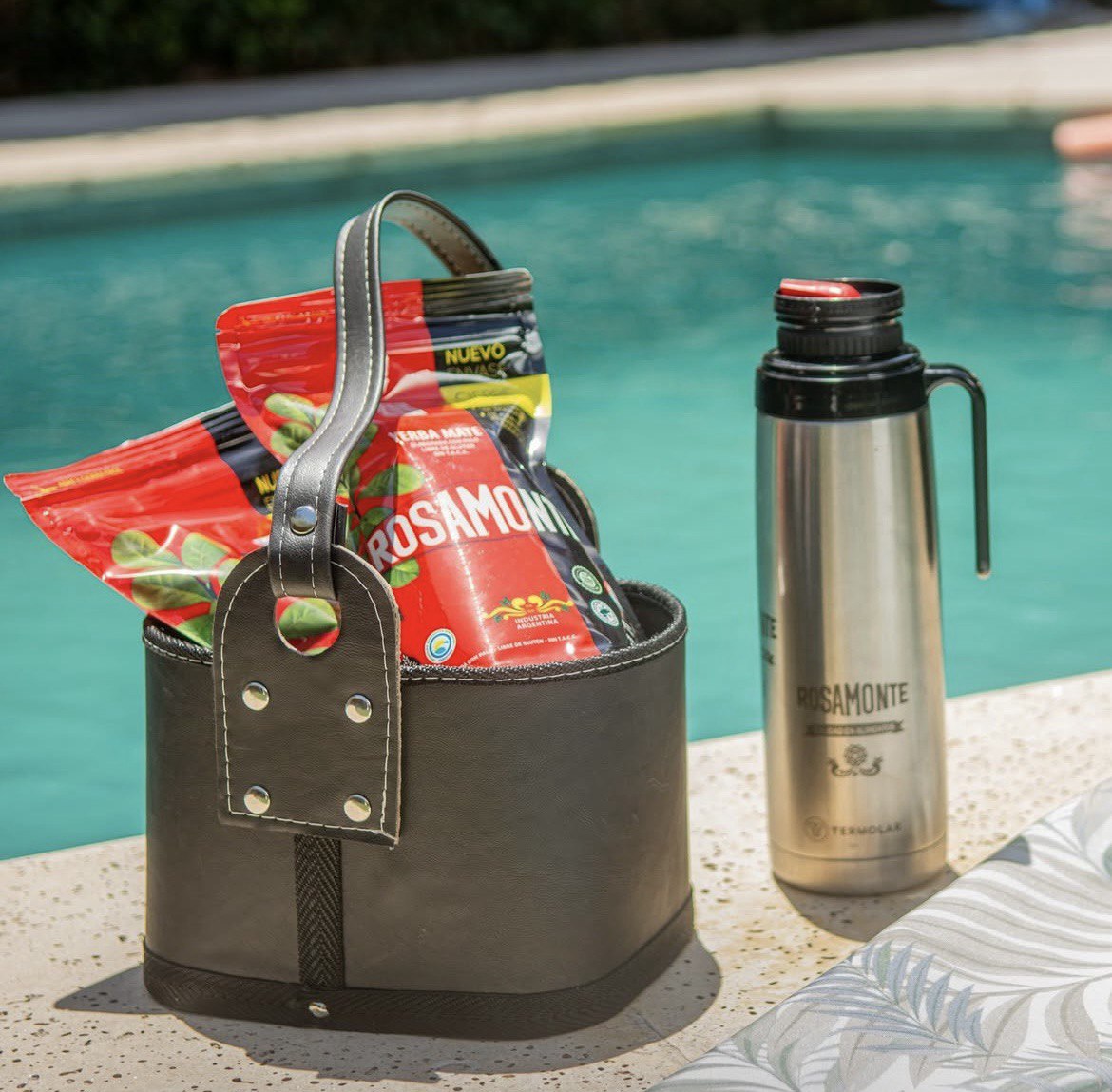
Common brands: Taragüi, Rosamonte, Mate Rojo, Amanda
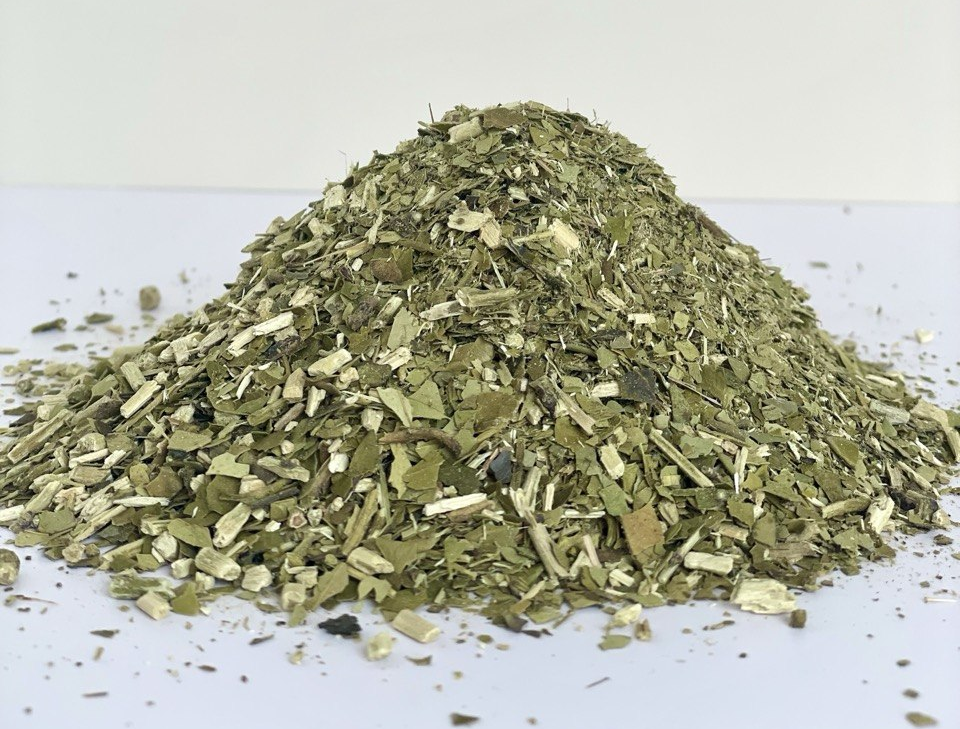
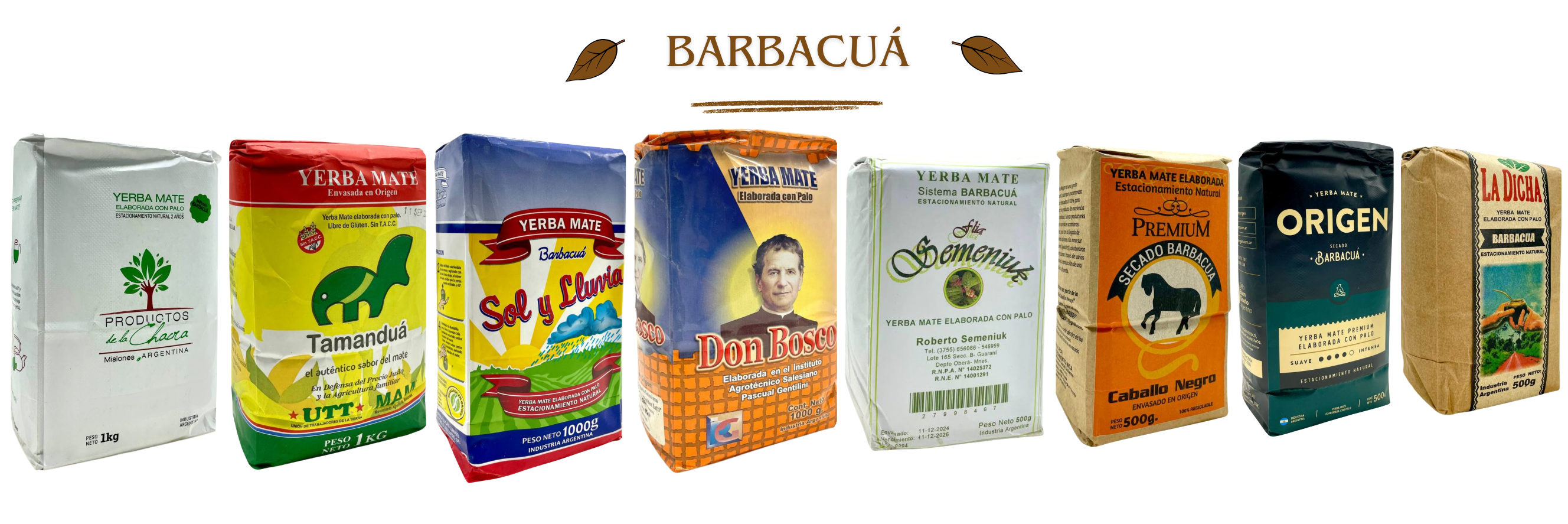
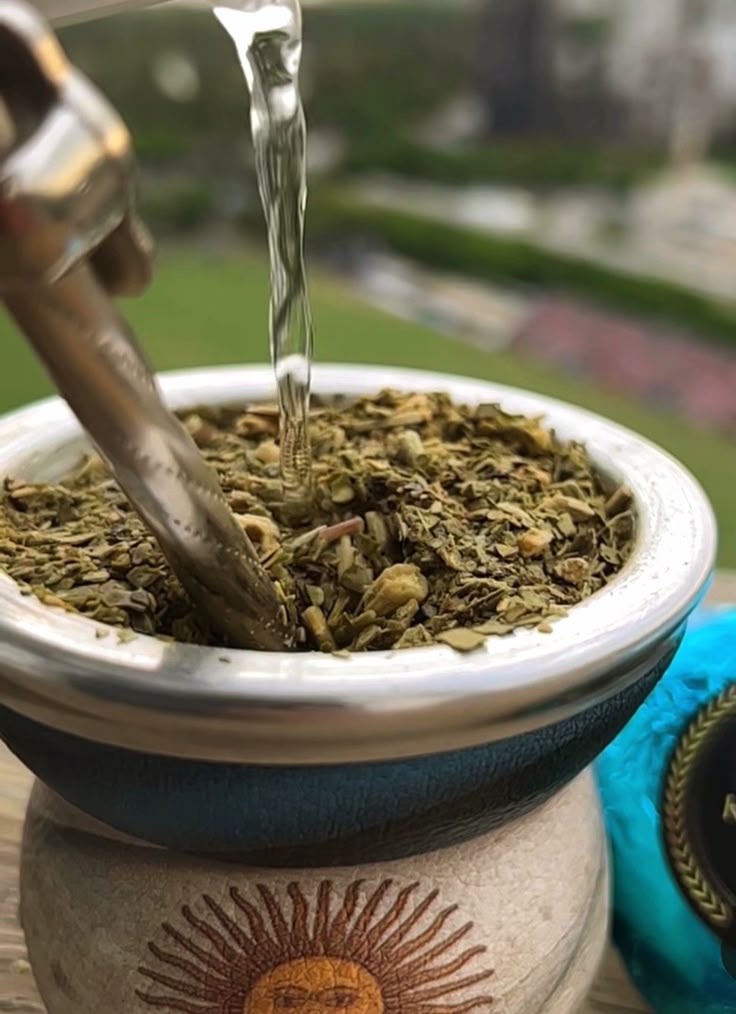
Argentine yerba mate is the most widely exported variety and serves as the standard for many drinkers around the world. It typically contains a balanced blend of chopped leaves, fine powder (known as polvo), and stems (palos), giving it a mild, well-rounded flavor.
There are also sin palo (without stems) versions that offer a stronger, more intense taste. Argentine mate is often aged for 9–24 months, allowing the flavors to mellow and deepen.
|
 |
Paraguayan Yerba Mate
|
Flavor profile: Smoky, strong, and earthy
Cut: Fine and powdery, often with little to no stem
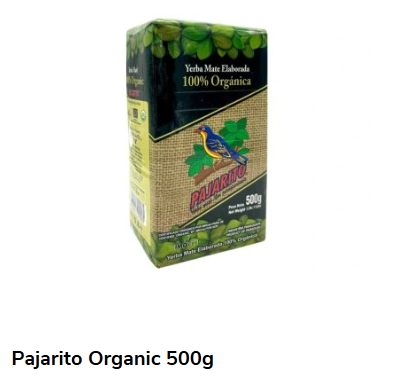
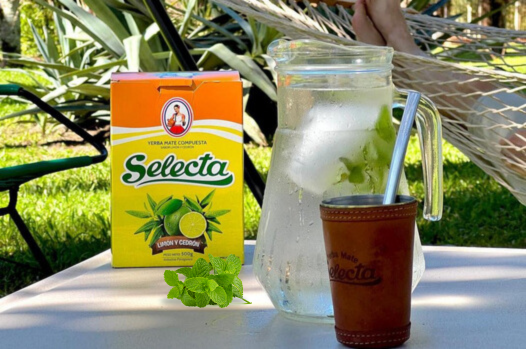
Common brands: Pajarito, Selecta, Campesino
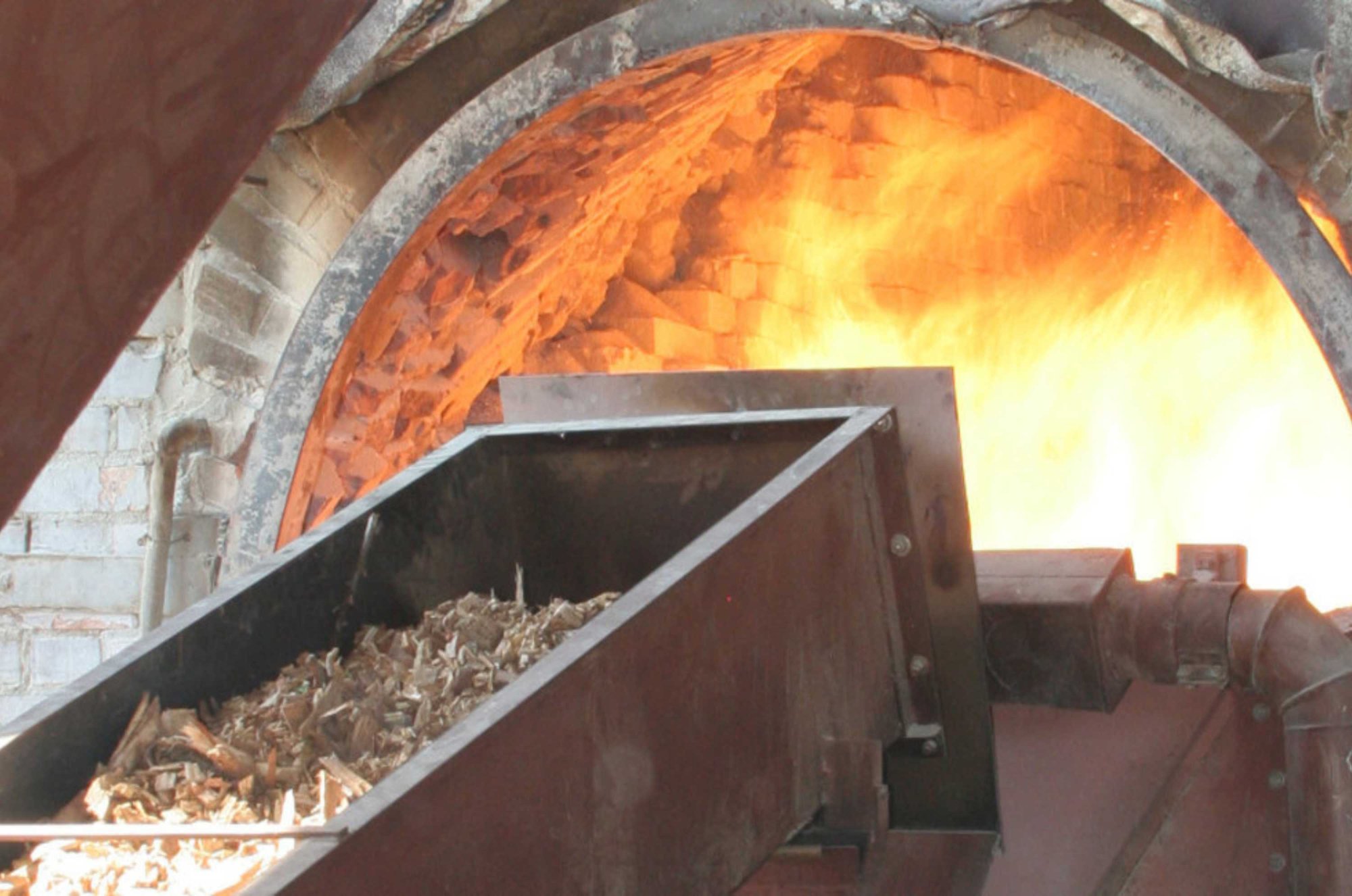
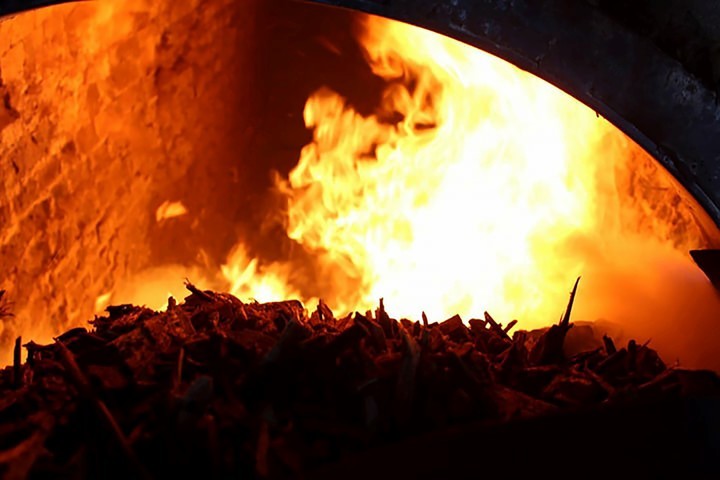
Paraguayan yerba mate is known for its bold, smoky flavor - often described as the “espresso” of mate. The leaves are usually smoke-dried, which gives the brew a darker color and a more intense aroma.
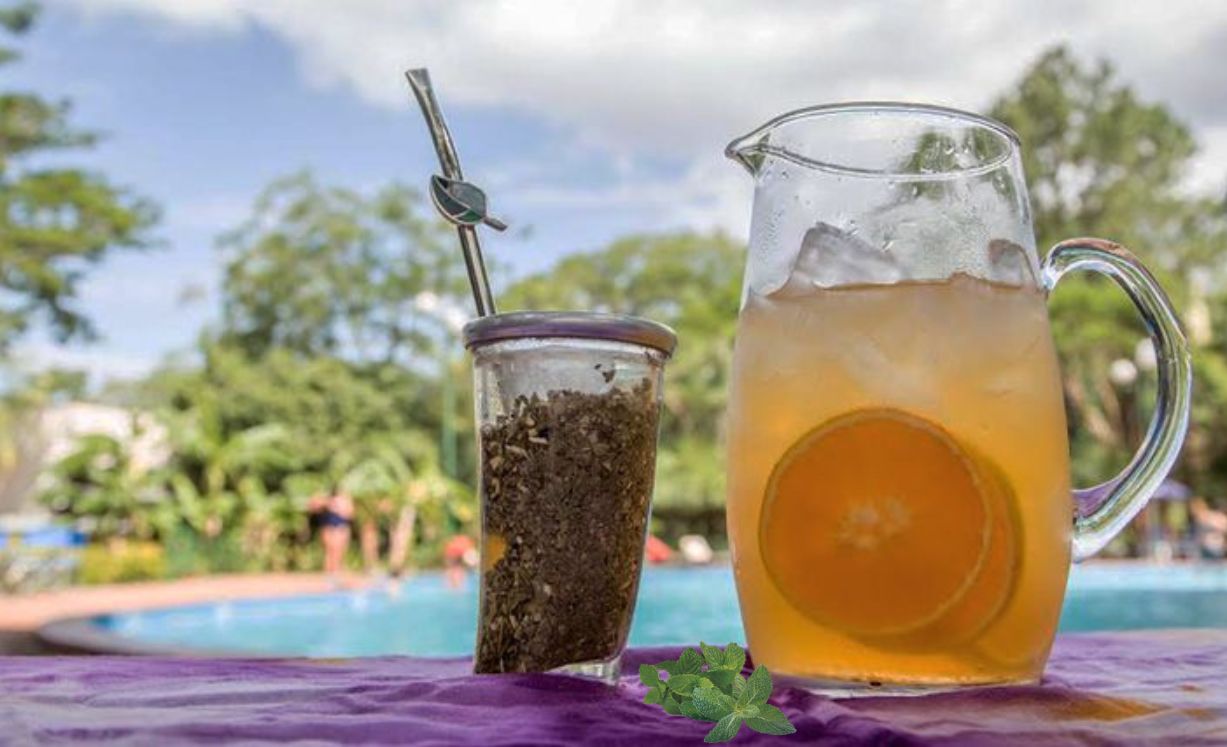
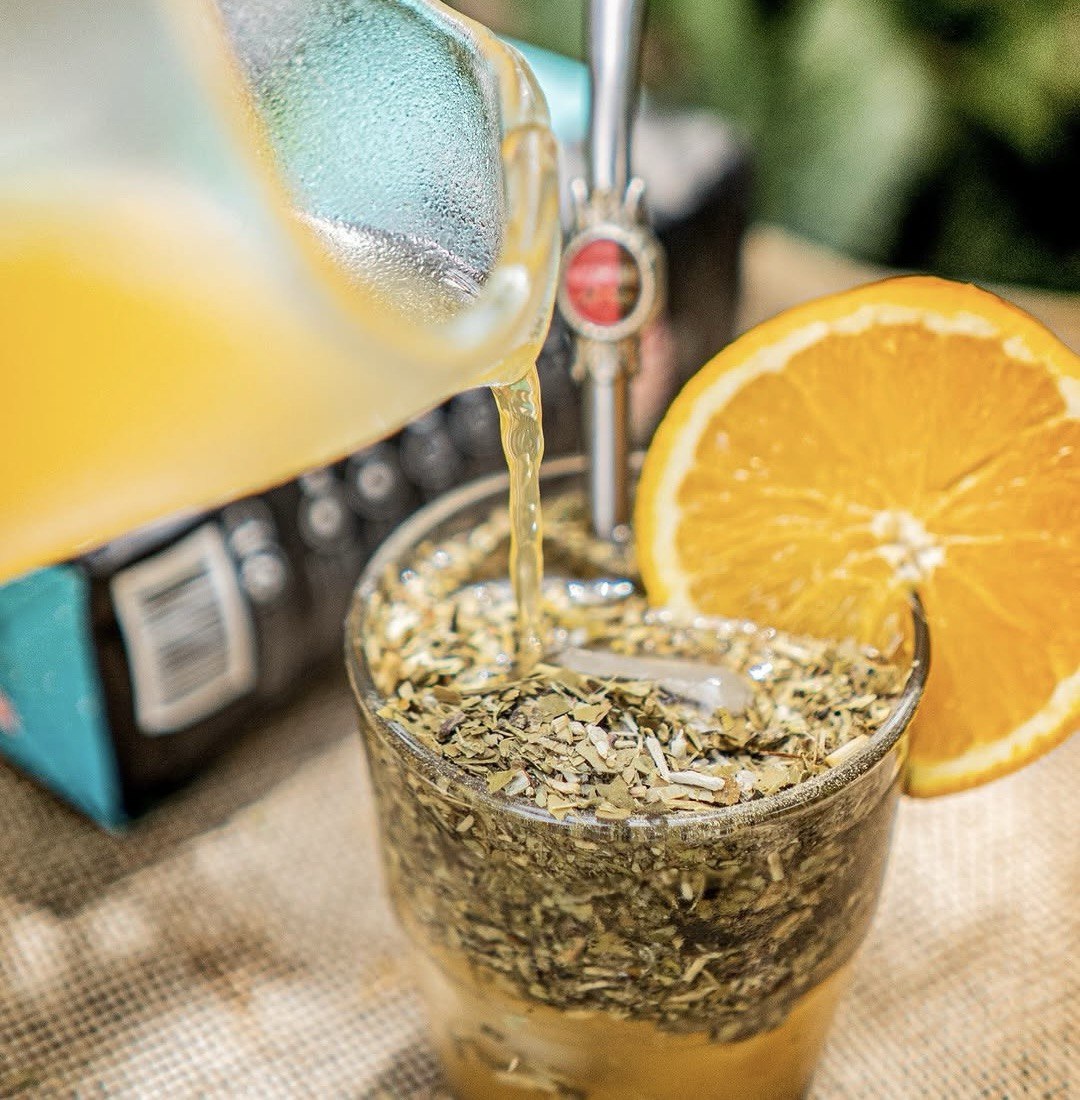
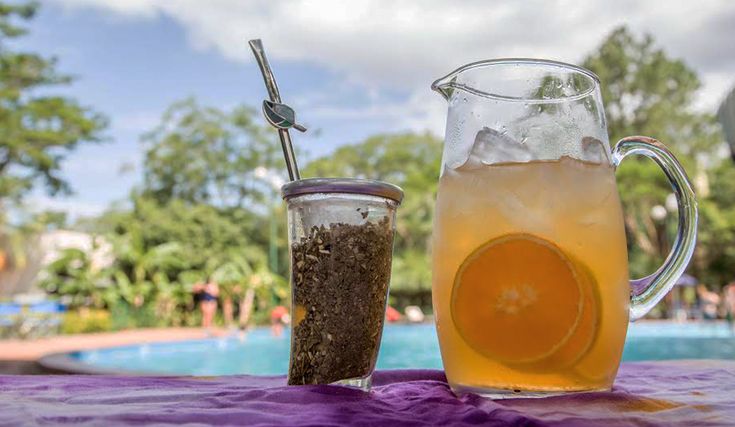
Paraguayans often drink it cold as tereré, a refreshing version of mate prepared with ice-cold water, citrus, or herbs. The fine grind makes it ideal for this style of drinking, especially in hot climates.
|
 |
Uruguayan Yerba Mate
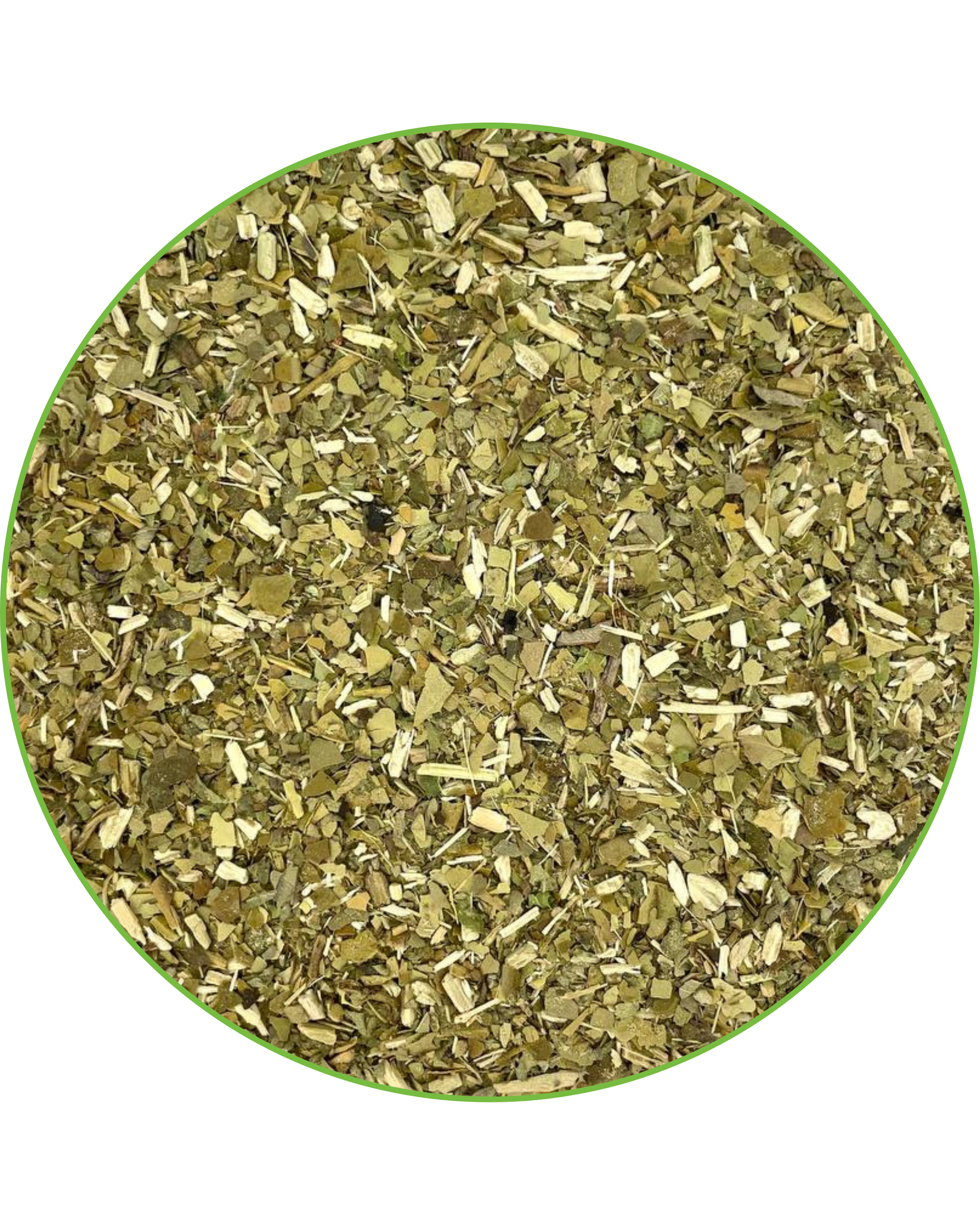
Flavor profile: Bitter, rich, and grassy
Cut: Very fine, uniform, and without stems
Common brands: Canarias, Sara, Pindare
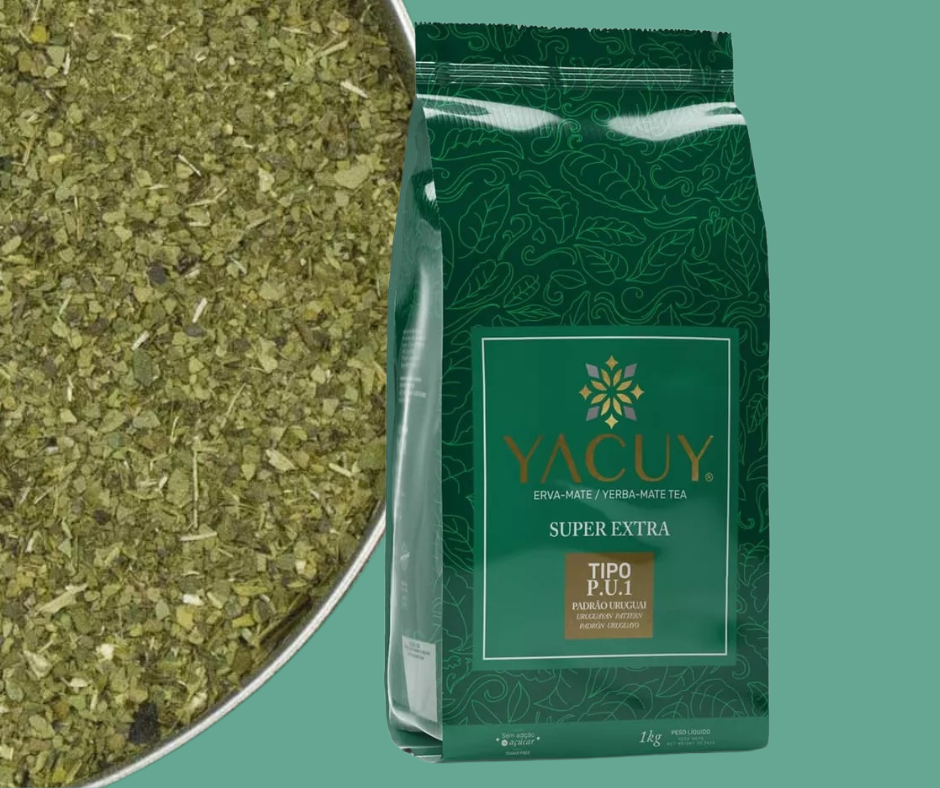
Uruguayan yerba mate is among the strongest varieties, with a distinct bitterness and deep green color. Unlike Argentina, Uruguay does not grow much yerba mate domestically - it imports most of it from Brazil but processes it locally to achieve its signature cut and flavor.
The ultra-fine grind produces a thick, creamy infusion with strong vegetal notes, perfect for seasoned mate drinkers who enjoy intensity over smoothness.
Brazilian Yerba Mate (Chimarrão)
|
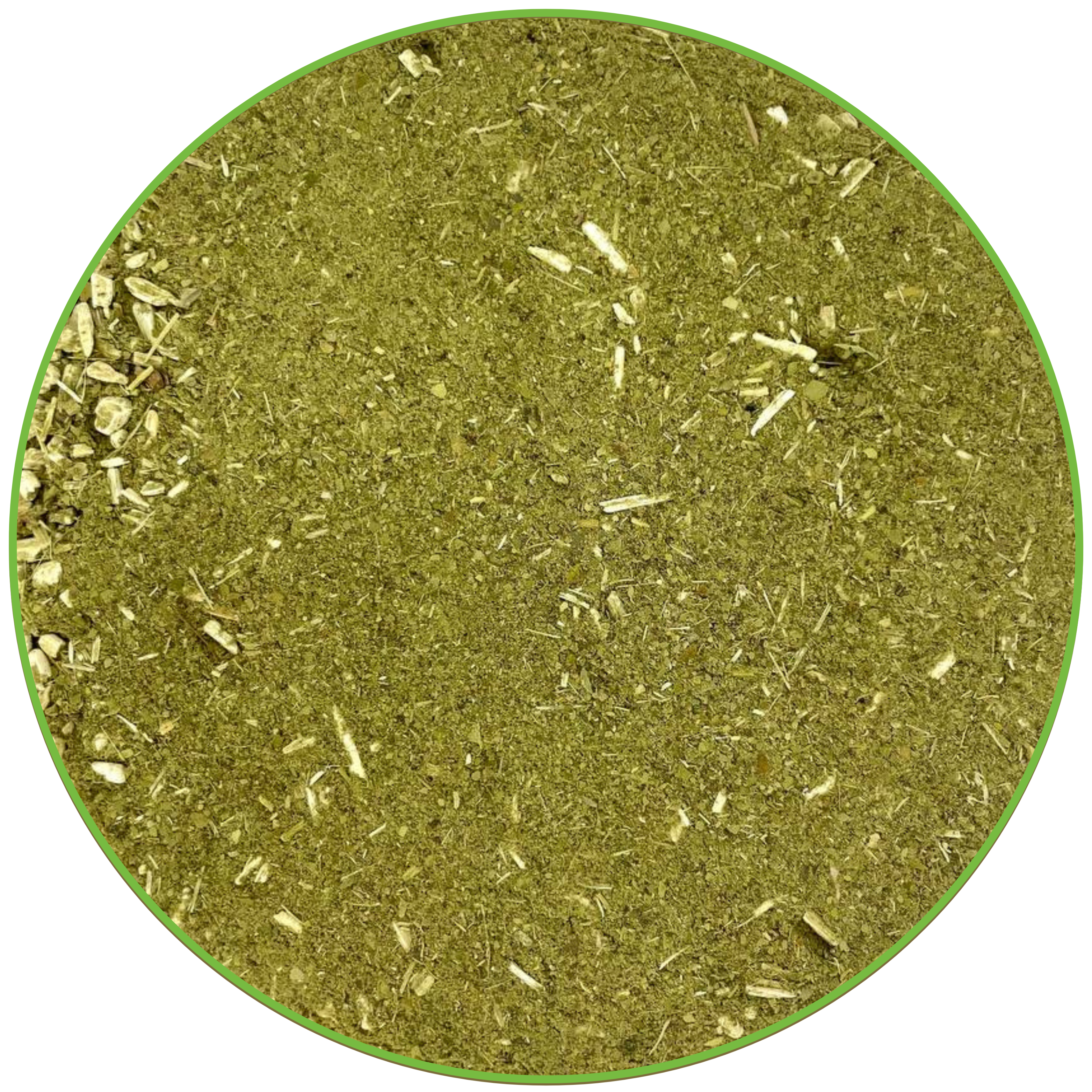
Flavor profile: Fresh, light, and grassy
Cut: Very fine and powdery, bright green
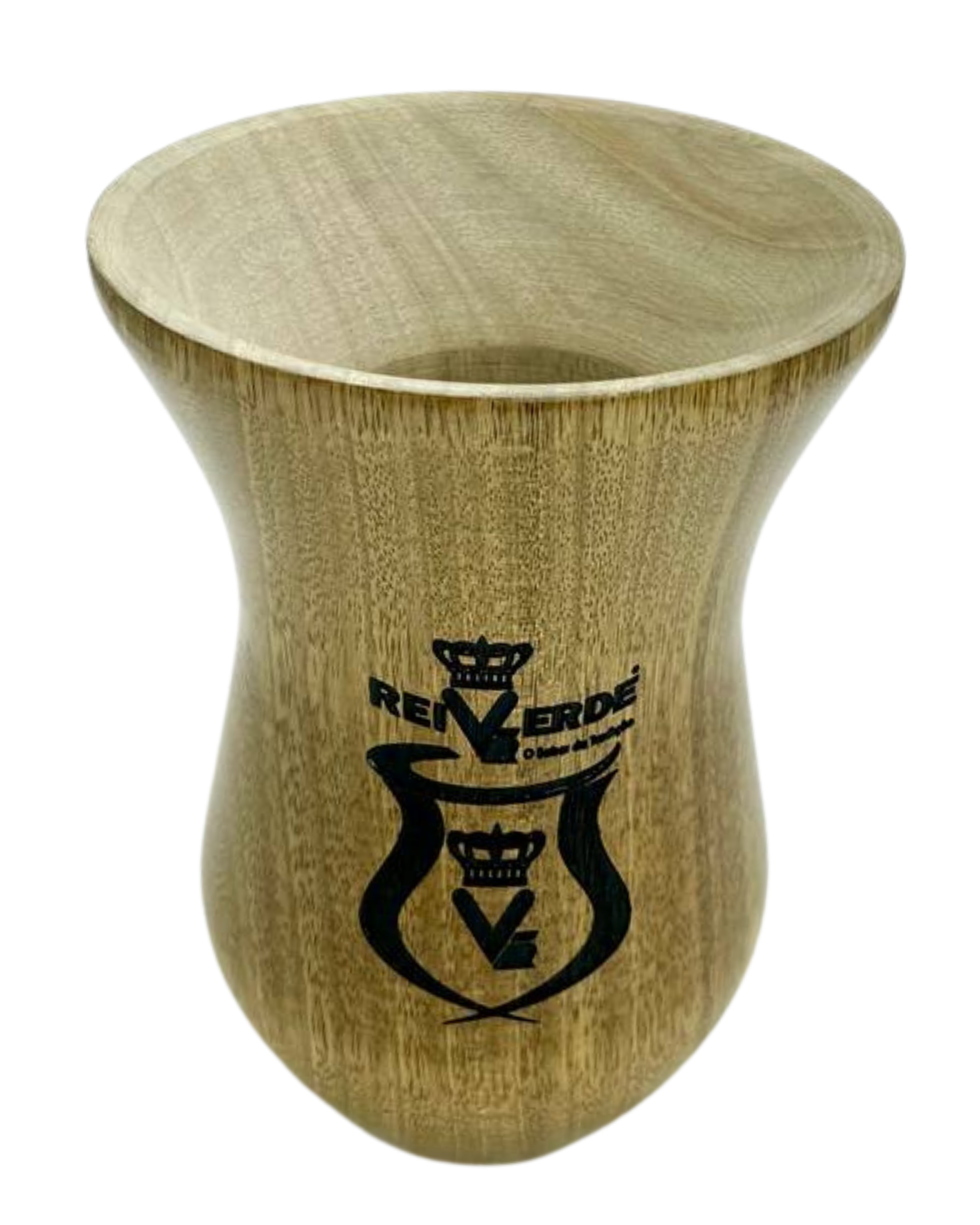
Common brands: Parana, Barão de Cotegipe, Rei Verde, Ximango
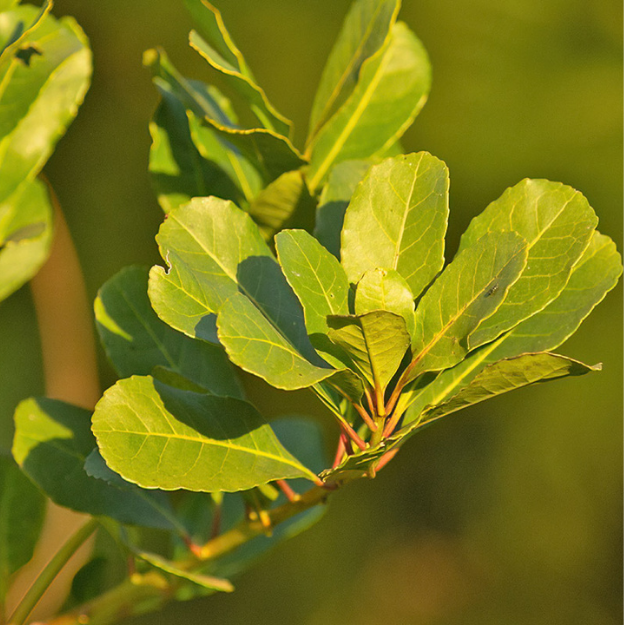
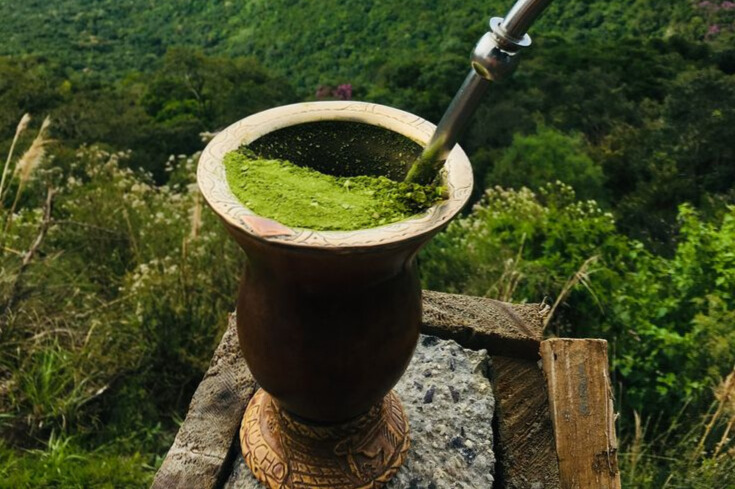
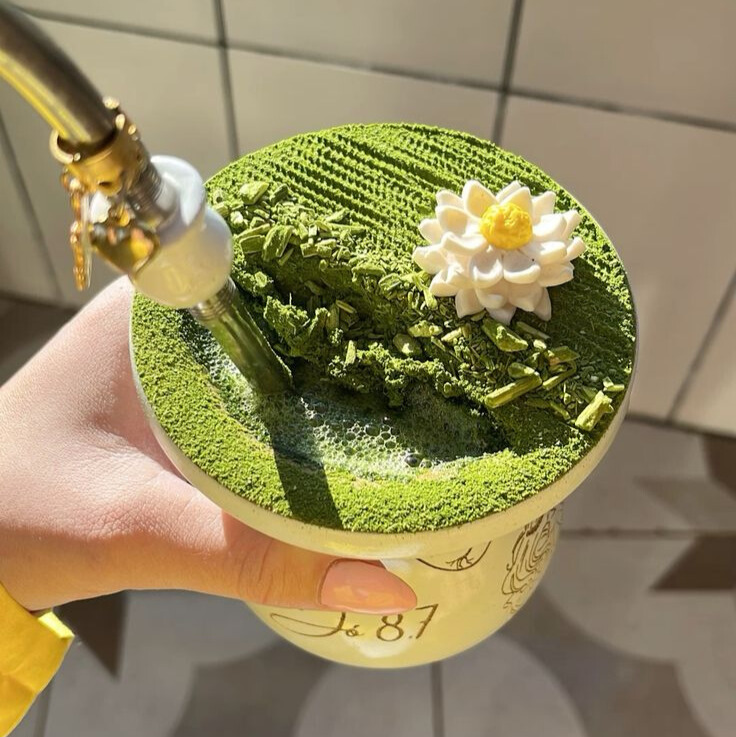
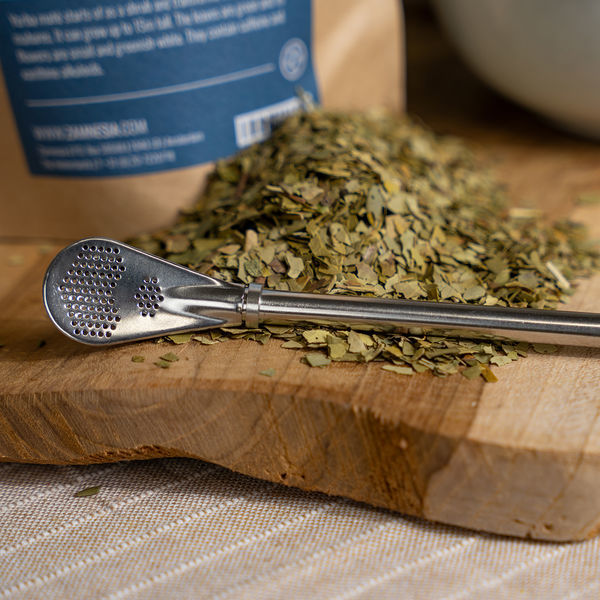
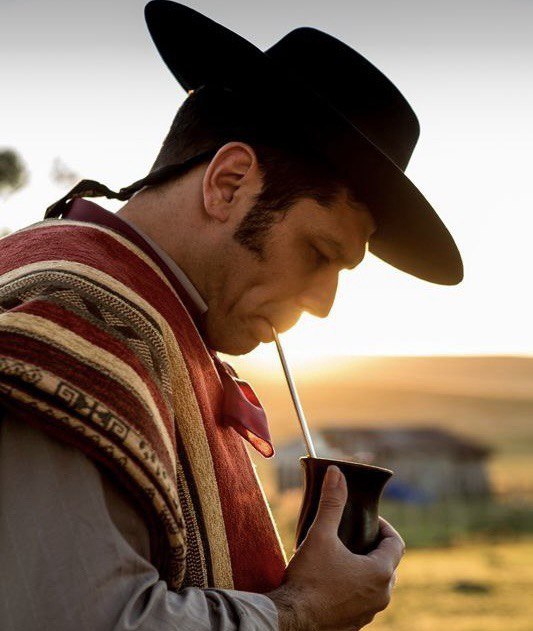
In southern Brazil, yerba mate is known as chimarrão. It’s a bright green powder made from freshly processed leaves that are dried with hot air instead of smoke, preserving their vibrant color and chlorophyll-rich freshness.
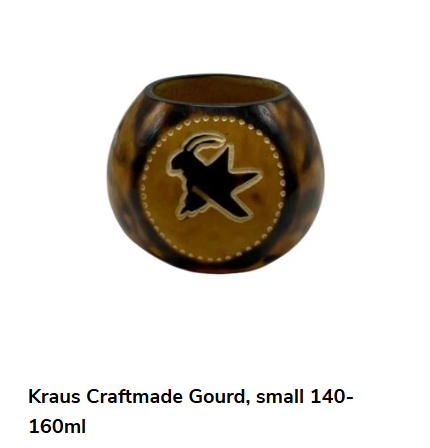
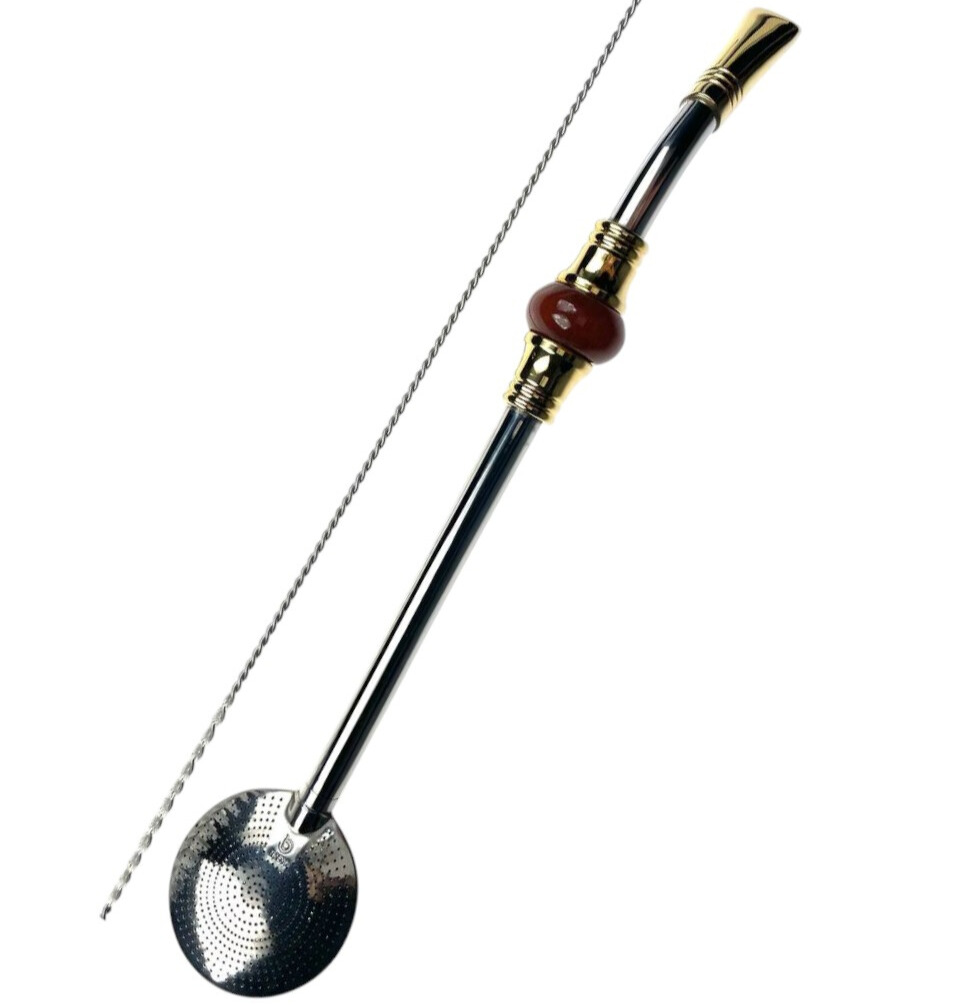
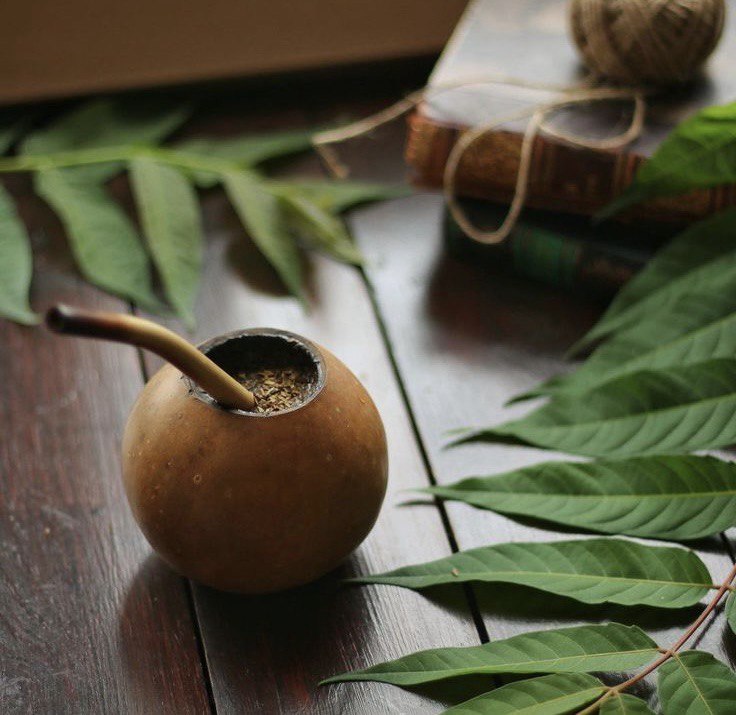
Chimarrão is traditionally prepared in a large gourd with a wide metal straw (bomba) and consumed almost like a green tea smoothie—smooth, grassy, and refreshing.
|
 |
Blended and Flavored Yerba Mate
Flavor profile: Herbal, citrusy, minty, or floral
Cut: Typically a mix of leaves and stems, sometimes with added dried herbs or fruit pieces
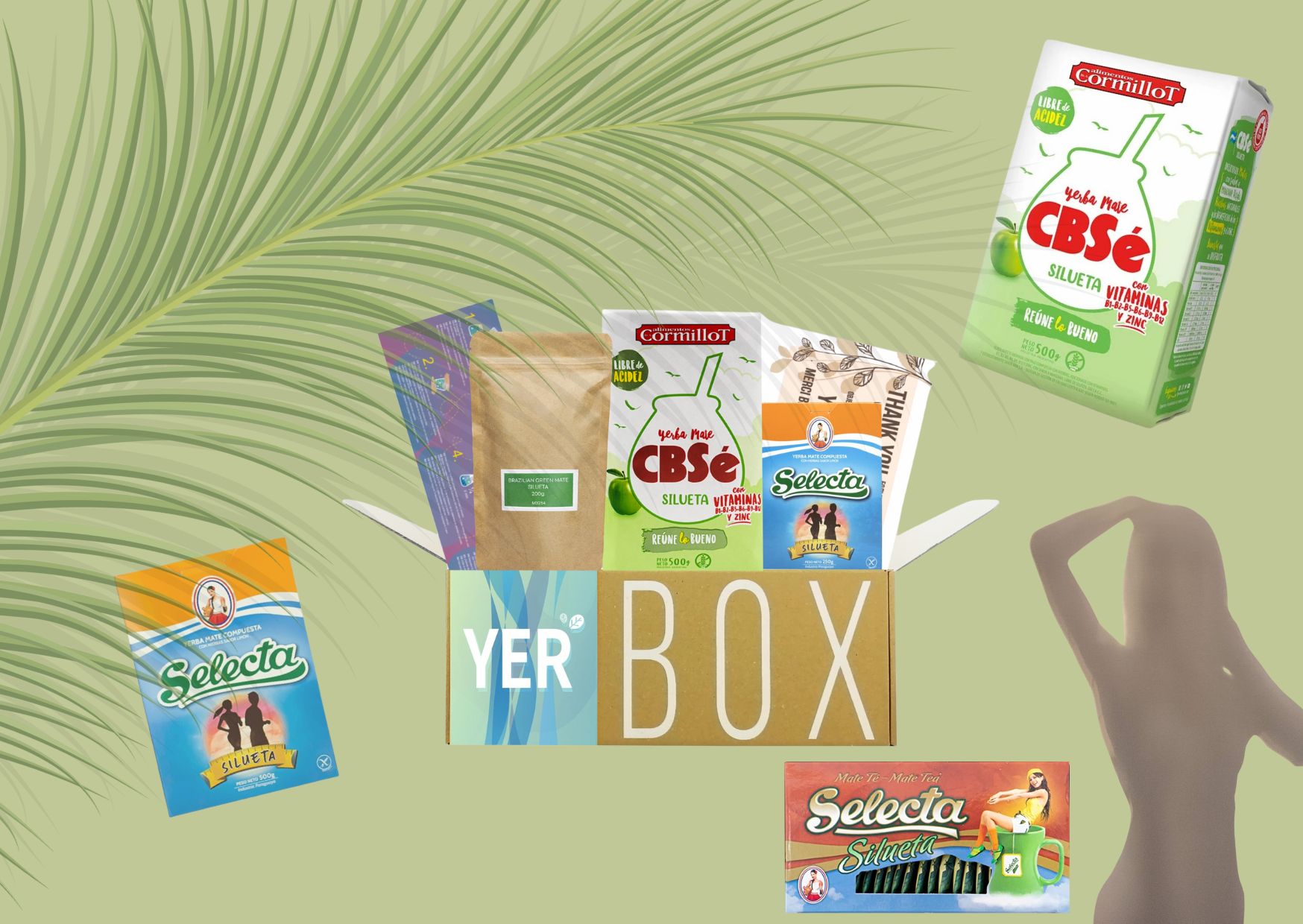
Common brands: CBSé (Limon, Hierbas Serranas, Miel), Adelga Mate (Guarana, Naranja, Frutos del Bosque), Cachamate (Hierbas Pampeanas, Coco)
Blended (compuesta) yerbas mix traditional mate with herbs or fruit peels for added flavor and function. Some blends promote digestion (menta y boldo), others boost energy (guaraná), or offer relaxation (melissa, chamomile).
These flavored varieties are great for beginners who want to explore mate’s health benefits without too much bitterness.
Roasted Yerba Mate (Mate Cocido Tostado)
|
Flavor profile: Nutty, caramelized, and smooth
Cut: Loose leaves, often slightly fragmented and roasted
Common brands: Selecta (Toasted), Pajarito (Mate Cocido Toasted), Hierbas del Oasis (Toastada)
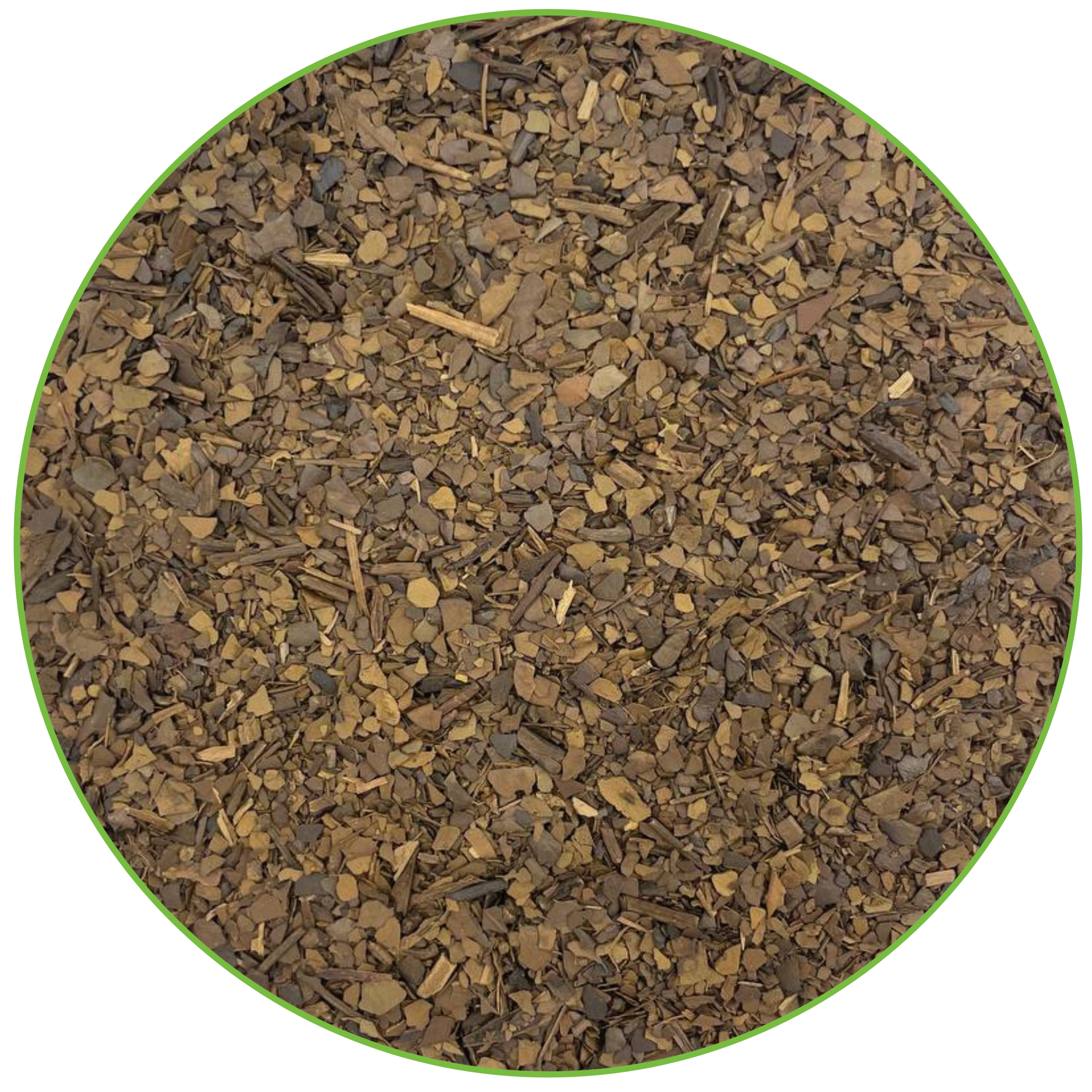
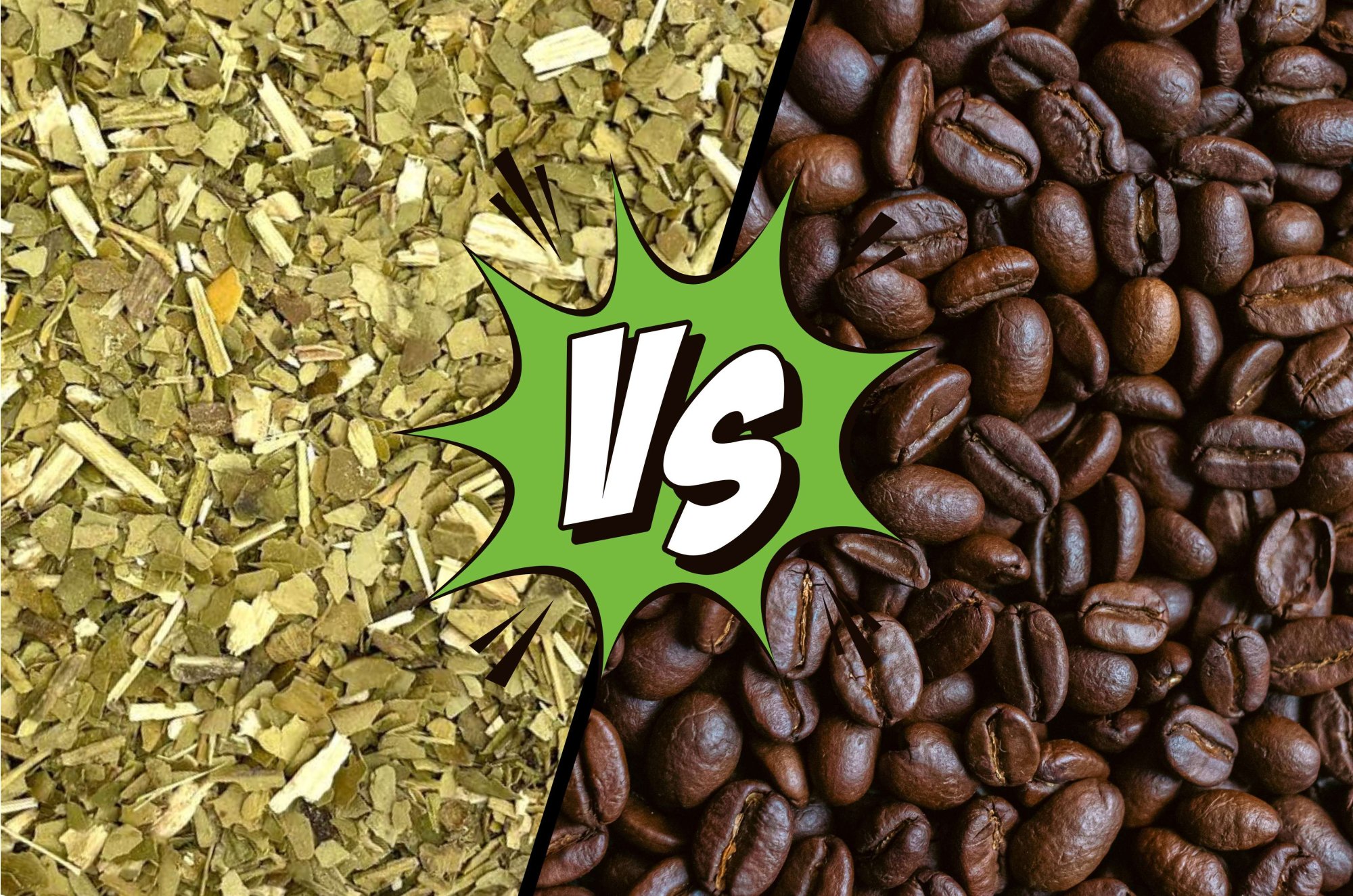
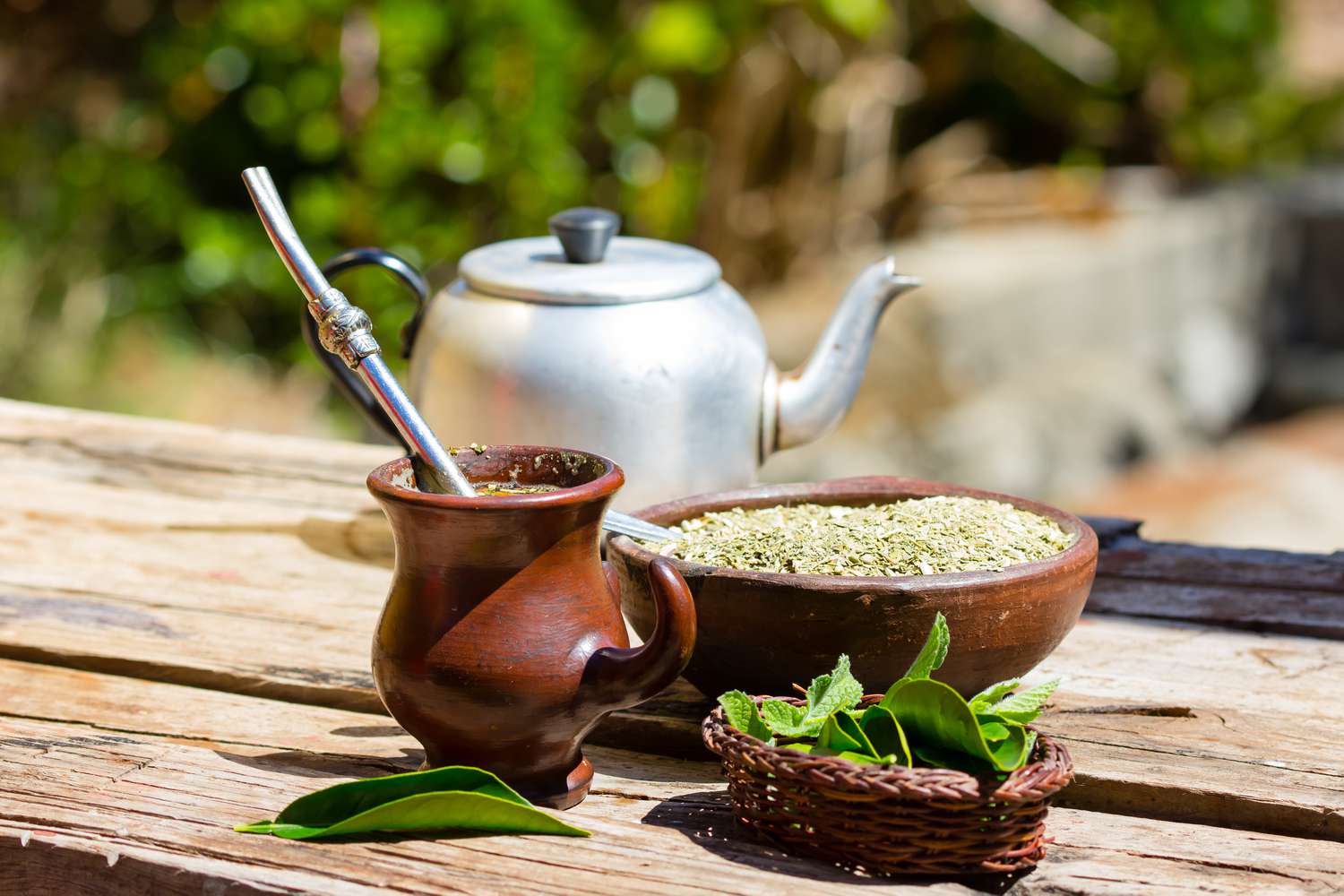
Roasted yerba mate, known as mate cocido tostado, is made by toasting the leaves until they turn a deep brown. This process reduces bitterness and gives the drink a flavor similar to coffee, with notes of caramel and nuts.
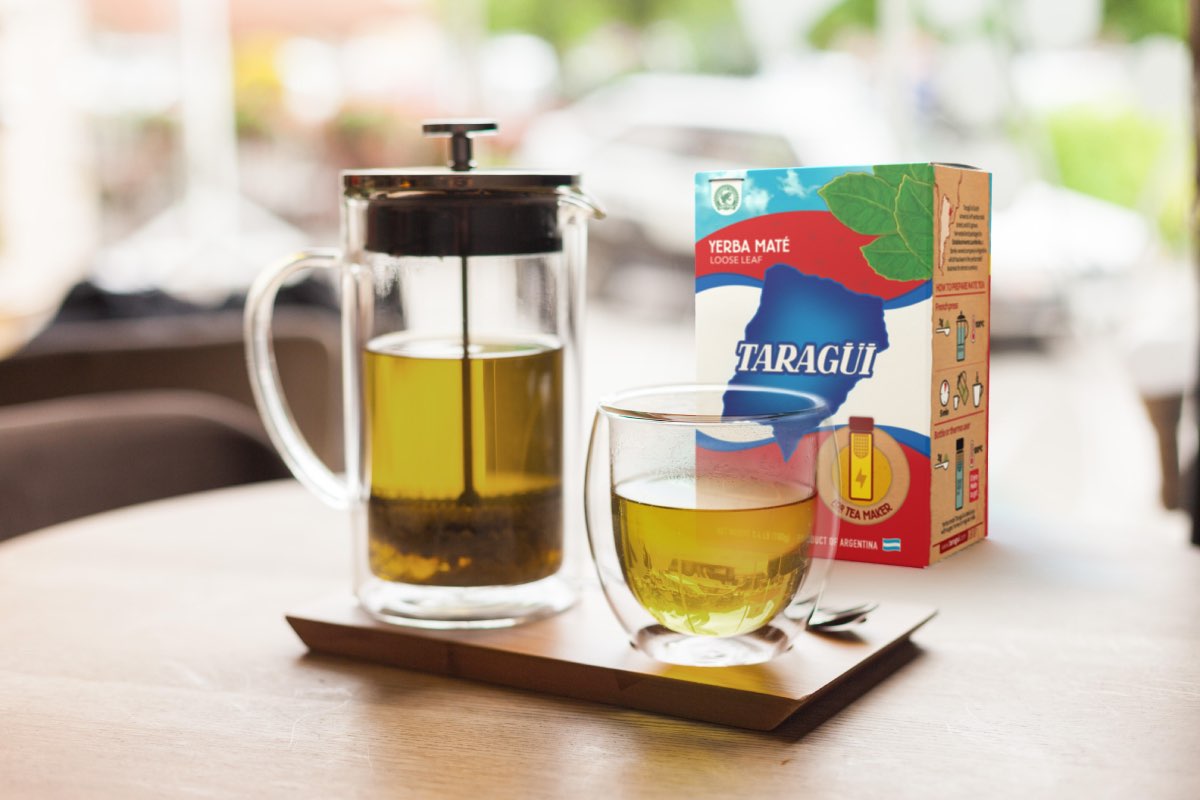
It’s commonly brewed like tea - using a teapot or tea bags - and is a great alternative for those who enjoy the taste of roasted beverages but want less acidity and caffeine than coffee.
|
 |
Soluble Yerba Mate (Instant Mate)
Flavor profile: Mild, slightly sweet, and convenient
Cut: Powder or granules that dissolve in hot or cold water
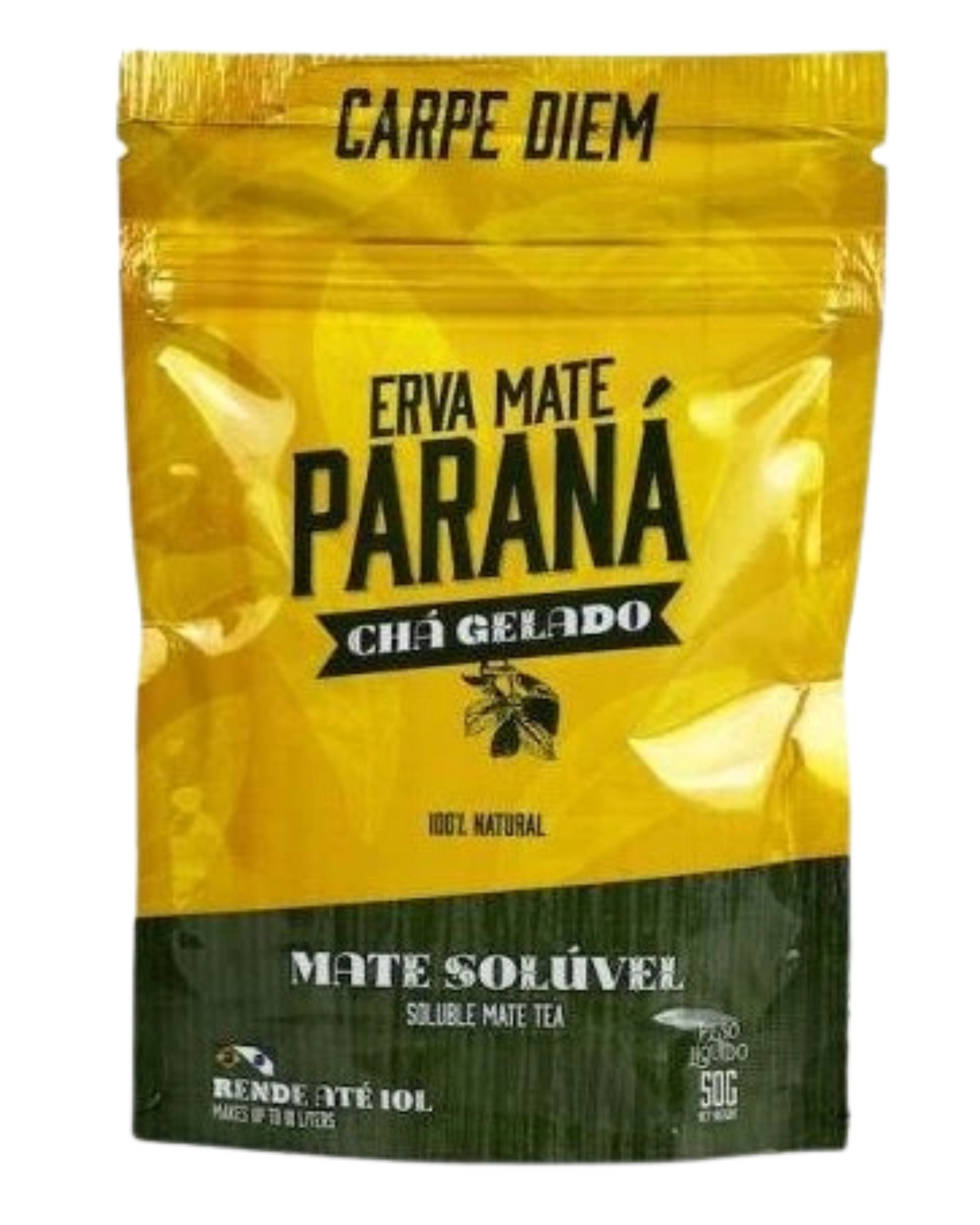
Common brands: Parana Roasted Soluble, Selecta Soluble, Pajarito Instant
Soluble yerba mate is the modern, instant version of the traditional brew. The leaves are brewed, concentrated, and then dehydrated into a soluble powder. It’s ideal for quick preparation - simply stir it into water, milk, or juice, and enjoy.
While it lacks the full depth of flavor found in traditional mate, soluble mate is popular among travelers and those seeking a fast, caffeine-rich drink.
Prefer a balanced classic? Go for Argentine.
Love strong and smoky? Try Paraguayan.
Enjoy bold and bitter? Choose Uruguayan.
Want fresh and green? Brazilian chimarrão is your match.
Crave nutty and toasty notes? Roasted mate is for you.
Need quick convenience? Soluble mate delivers energy instantly.
Looking for herbal or fruity flavor twists? Flavored mate adds variety and function.






.png)
.png)
.png)




.png)
.jpg)





.jpg)








-photoroom.jpg)

.jpg)