
Both yerba mate and coffee are beloved caffeinated drinks enjoyed around the world. While they share the ability to boost alertness and enhance mood, they differ significantly in taste, preparation, cultural roots and how they affect the body. Understanding these differences can help you choose the beverage that best fits your lifestyle.
| Yerba Mate | Coffee |
|
Origins and cultural significance |
|
|
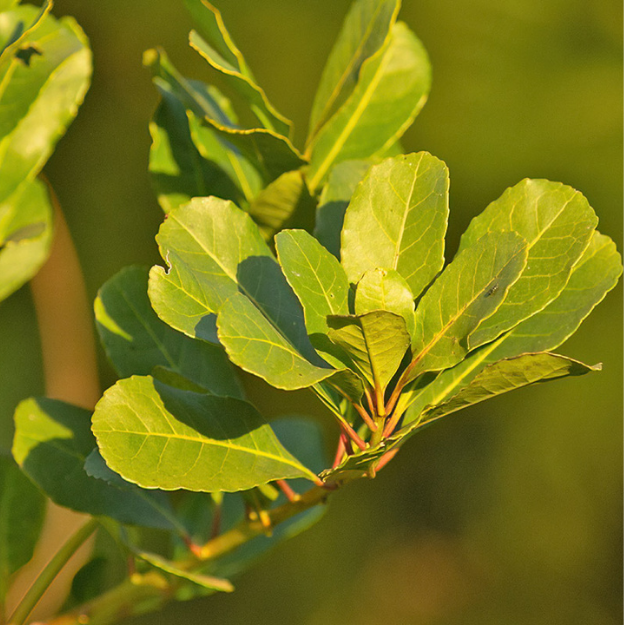
Yerba mate comes from the leaves of Ilex paraguariensis, a plant native to South America. It’s traditionally consumed in countries like Argentina, Paraguay, Uruguay, and southern Brazil. The drink is shared socially from a gourd using a metal straw (bombilla), symbolizing hospitality, connection, and community.
|
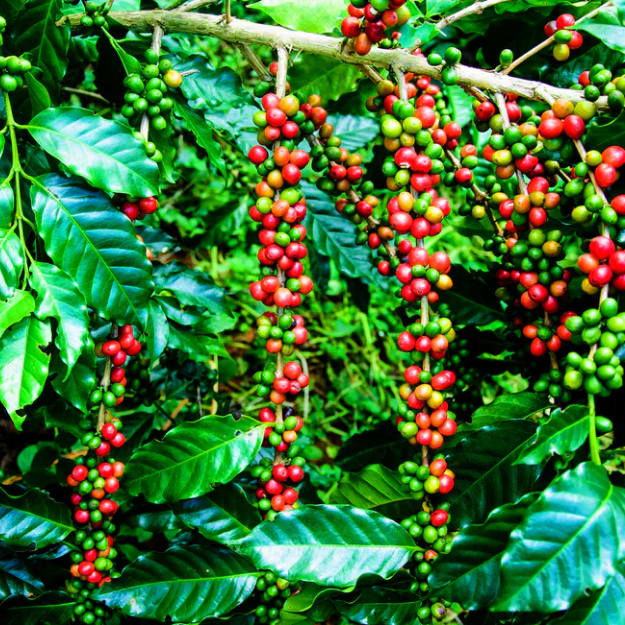
Coffee’s origins trace back to Ethiopia and Yemen, becoming deeply rooted in Middle Eastern, European, and global culture. Today, it’s one of the most traded product worldwide, valued for morning routines, café culture, and endless brewing styles.
|
|
Caffeine content |
|
|
|
|
Health pros and cons |
|
|
|
|
Flavor and preparation |
|
|
|
|
Environmental impact |
|
|
|
Yerba mate and coffee have unique strengths. Coffee offers bold flavor and a powerful energy boost, while yerba mate provides gentle stimulation and a communal cultural experience. The “better” choice depends on your taste, tolerance, and lifestyle. Trying both can help you discover which beverage best fuels your day.
Coffee is antioxidant-rich, but yerba mate offers a far broader nutritional profile. One serving of mate contains over 20 different vitamins and minerals, 15 amino acids, and high levels of polyphenols (potent antioxidants). This makes yerba mate not just an energy drink but a gentle nutritional boost, supporting metabolism, immune health, and overall wellness in a way coffee simply can’t match. Because yerba mate provides steady energy and focus, it’s ideal for students, writers, programmers, and anyone who needs long, consistent concentration. Coffee may help you start fast, but mate helps you stay sharp longer. Coffee has its place, but yerba mate is the more balanced, nutrient-rich, and enjoyable option for many people. It offers smoother energy, better focus, more nutrients, less acidity, and a warm, communal tradition.
In the end, both coffee and yerba mate have their benefits, but yerba mate stands out as the more balanced, health-supporting and culturally rich choice. Its steady energy, nutritional depth, and sense of connection offer an experience that goes beyond simple stimulation. For many, it becomes not just a drink, but a meaningful daily ritual.