
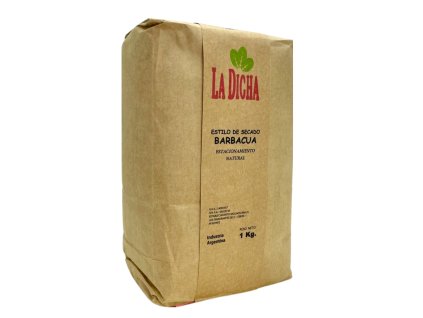
Sol y Lluvia Barbaqua 1000g
Kód: M5301


Související produkty




Detailní popis produktu
Yerba Maté s výjimečnou a jemnou chutí. Tato značka je známá tím, že vyrábí pouze velmi omezené množství s důrazem na kvalitu. Pomalu sušící metoda Barbacuá vychází z 400 let starého tradičního procesu domorodého lidu Guaraní. Sušení trvá 24 hodin, po kterých následuje doba zrání 18 měsíců. Aroma je bohaté, kouřové, připomínající čerstvě upečený chléb. Ve srovnání s jinými typy maté sušenými stejnou metodou má výrazně jemnější a delikátnější chuť, přičemž si zachovává svou plnost s velmi lehkým kouřovým nádechem. Sol y Lluvia je velmi populární v Argentině a obvykle se obtížně shání mimo svou domovinu, takže neváhejte využít této omezené nabídky. Hmotnost: 1000gDoplňkové parametry
| Kategorie: | Classic maté |
|---|---|
| Hmotnost: | 1 kg |
| EAN: | 7798007000064 |
| Brand: | Sol y Lluvia |
| Country of origin: | Argentina |
| Manufacturer: | Artisanal Argentinian producers |
| Number of pieces per package: | 6 |
| Packaging: | 1000 g |
| Taste: | Barbaqua |
| Type: | Traditional |
| Položka byla vyprodána… | |
Buďte první, kdo napíše příspěvek k této položce.
Pouze registrovaní uživatelé mohou vkládat příspěvky. Prosím přihlaste se nebo se registrujte.

In 1917, Don Nicolás Pawluk began a plantation of 20 yerba mate plants. Its processing was rudimentary: the sapeco was done by hand, passing branch by branch over a moderate fire, and then drying continued in a clay oven that he also used to bake bread.
The branches were placed in a wooden barrel where, using a mortar, they were crushed.
Don Nicolás sold the yerba to his neighbors, who also carried out the grinding manually, using stone mills.
Years later, Don Nicolás expanded the plantations and introduced improvements in the processing. He built a manual drying system consisting of a woven cylindrical drum that rotated over the fire, supported at both ends by iron posts. Its capacity was 400 kg.
The canchadora of the winch type (a large wooden wheel with teeth that crushed yerba branches) was powered by a horse and always rotated in the same direction, inclined toward the center.
At that time, the process did not reach the grinding stage. In 1960, a Barbacuá-type dryer was installed, which continues to operate to this day.
Nicolás’s efforts were continued by his son, Luis Felipe, who from sunrise to sunset planted, cared for, and produced a product that today fills us with pride.